

Each week, Spiritual Signals offers spiritual reflections for seniors drawn from diverse wisdom traditions—Christian contemplative writers, Buddhist and Taoist teachings, Sufi poetry, modern psychology, and more. These short, accessible meditations explore meaningful themes like gratitude, letting go, aging, purpose, and peace. Whether you’re looking to deepen your faith, find new perspectives, or simply pause for a moment of quiet, you’re in the right place.
What to Expect
Each Spiritual Signals entry follows a simple, thoughtful format:
- A weekly theme (e.g., forgiveness, joy, fear, simplicity)
- Reflections from multiple traditions—faith-based, philosophical, or psychological
- A closing question to invite your own insight or comment
- Every post is designed to be read slowly, shared freely, and carried into the week ahead.
Explore Past Reflections
Browse the latest Spiritual Signals entries below. Click any title to read the full reflection, leave a comment, or share your thoughts with the community.
Share Your Voice
We invite you to add your reflections in the comments section at the end of each post. Many of our readers find meaning not only in the weekly themes but in the quiet companionship of others on the same journey.

We spend much of life evaluating what is outside us. Was that decision wise? Is this relationship healthy? Am I using my time well? What needs to change? The harder questions turn inward. Am I becoming the person I hoped to become? What has grown stronger in me with age? Where have I
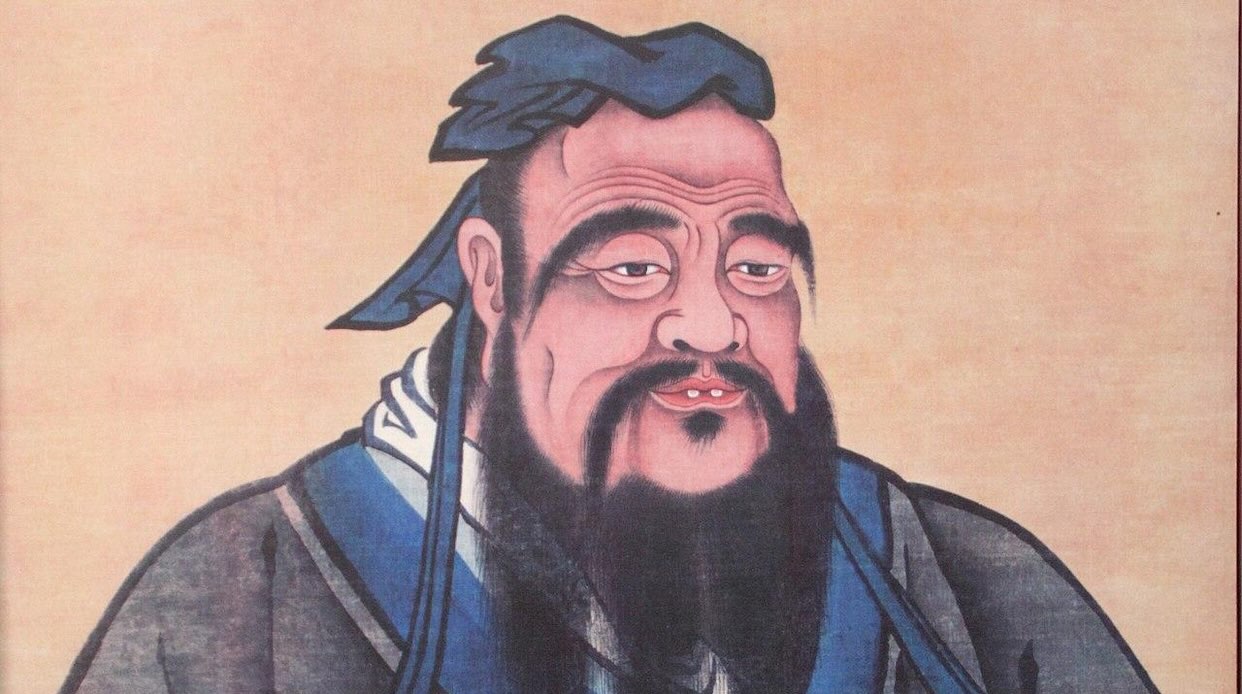
There are plenty of things we are told not to trust as we grow older. Our balance. Our night vision. Our hearing. Our memory for the name of the actor in the movie we watched last week. Confucius thought there was something we might learn to trust more.Ourselves. More than 2,500
We are very good at noticing differences. Age. Religion. Politics. Education. Where someone lives. How they speak. What they believe. We form impressions of one another quickly, often before a real conversation has even begun. Some of those differences matter. They shape our histories, our values, and the way we understand the
We readily offer help to those we love, yet often resist it ourselves. How can we accept assistance without feeling that we have surrendered our independence or dignity?

Every night, we do something rather extraordinary. We lie down, close our eyes and surrender consciousness. For the next several hours, we stop keeping watch. We stop making decisions. The unfinished business of the day remains unfinished. Whatever we have been worrying about will have to wait. Eventually, if sleep comes, we

Before going to sleep, take another look at the day you just lived. Across spiritual traditions, practices of self-examination ask us to notice our actions, intentions and relationships—and what we might do differently tomorrow.
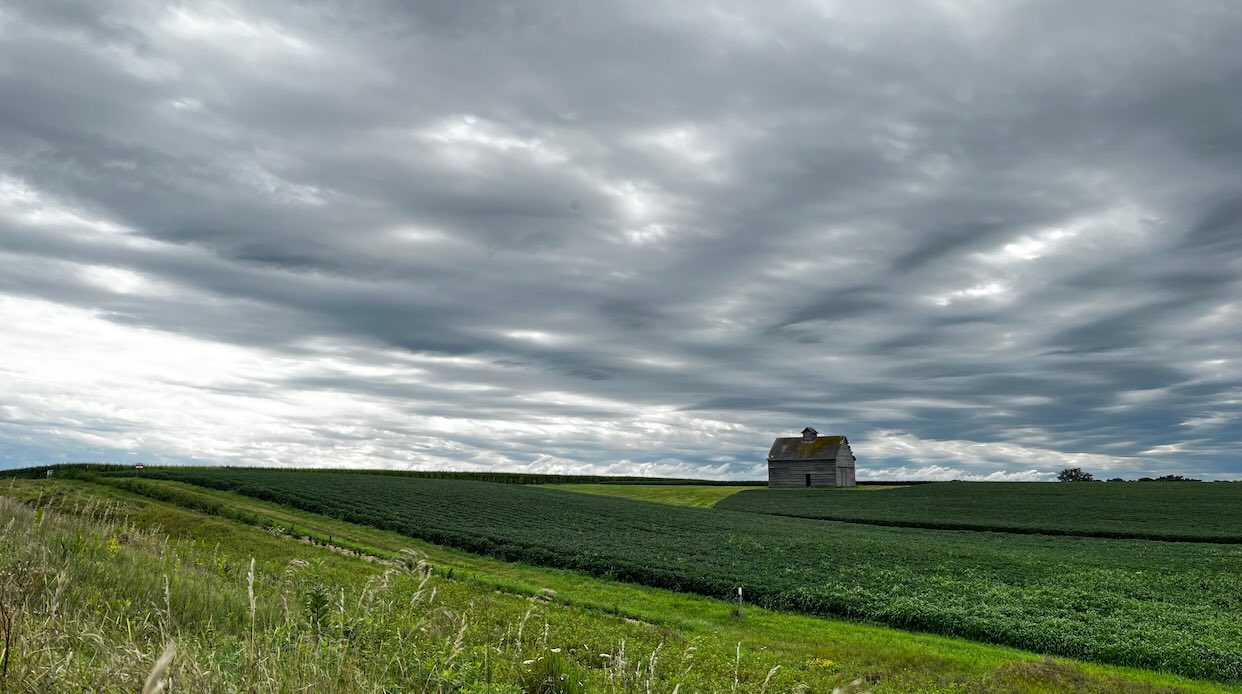
September has a sound. There are fewer cicadas at night. Some birds leave while others pass through on their way south. Leaves begin to dry, changing the sound of wind in the trees. Soon we'll hear them underfoot. Scientists listen to these changes, too. Soundscape ecology uses recordings to study the sounds
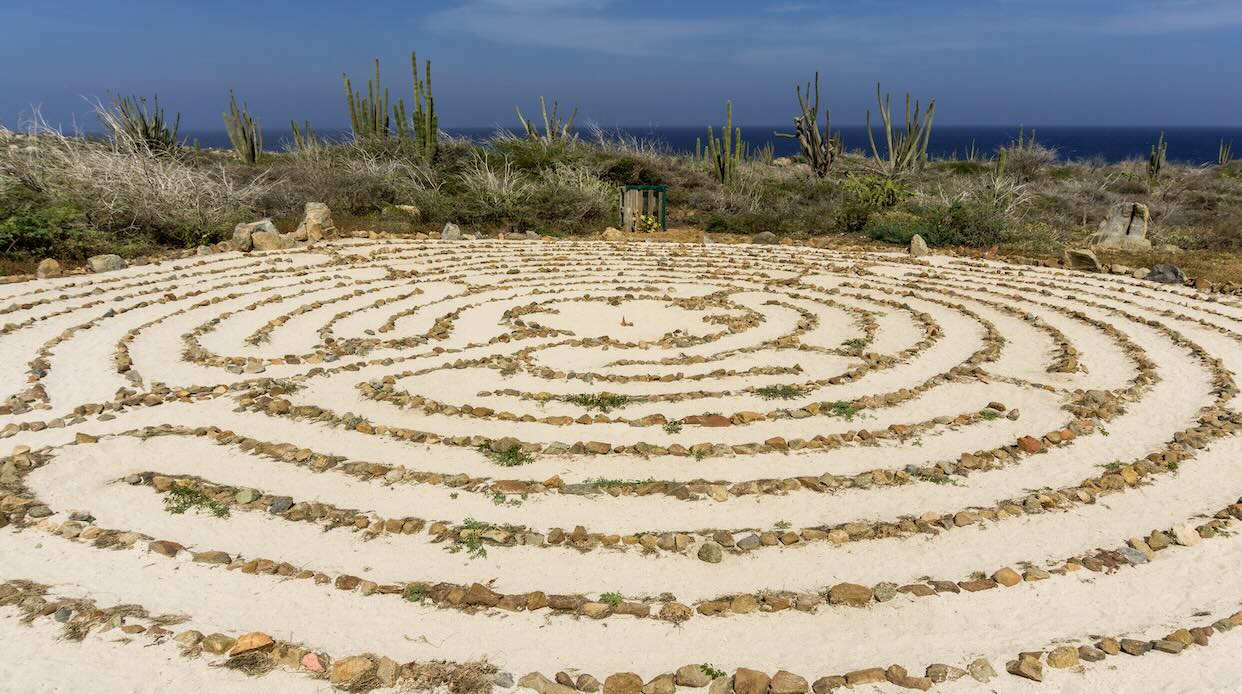
William Blake found a world in a grain of sand. Across spiritual traditions and modern psychology, the smallest things can reveal something much larger about meaning, connection and our place in the universe.
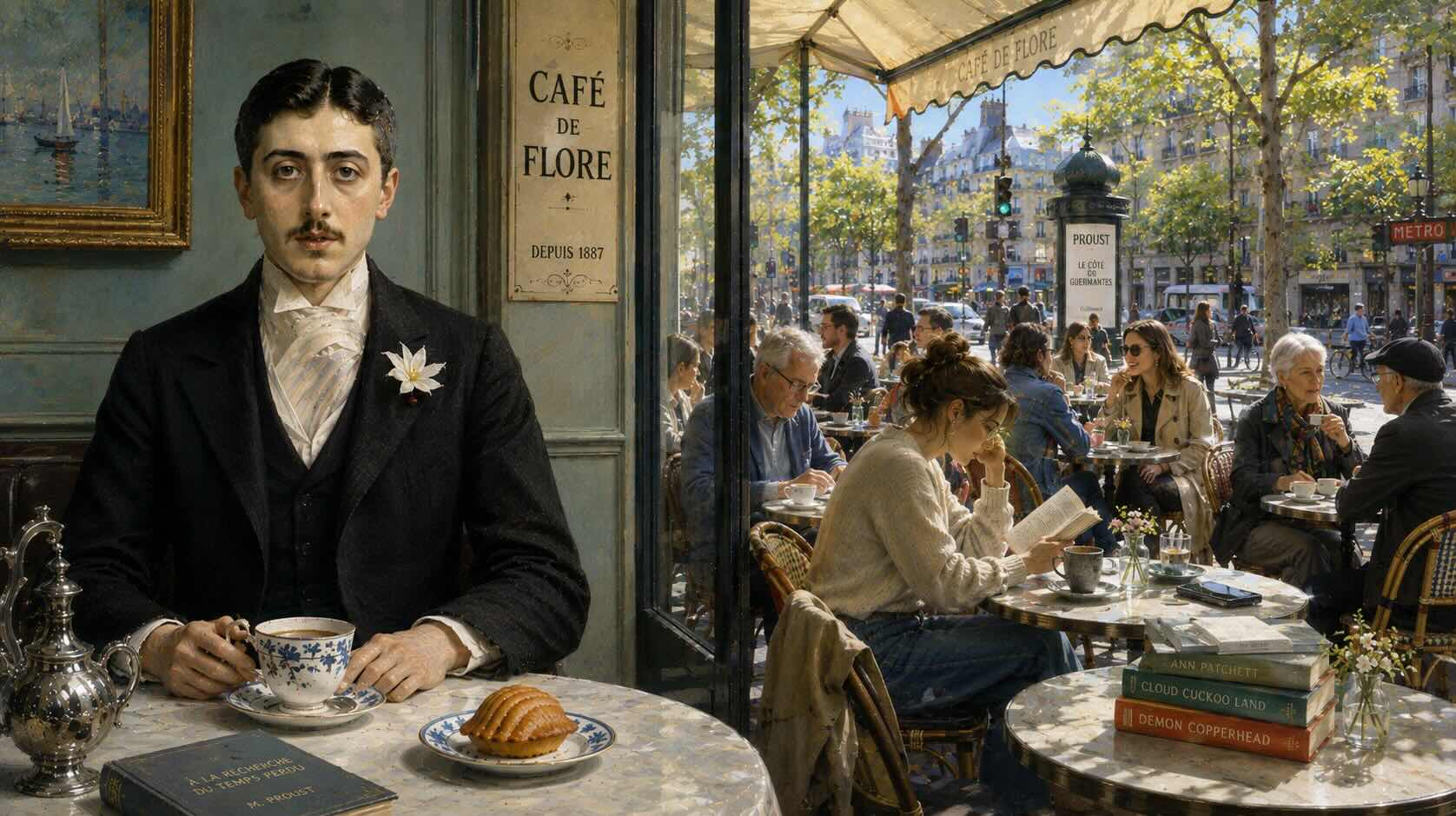
Memory, faith, doubt, regret, imagination and earlier versions of ourselves all inhabit the life within. What can Proust, spiritual traditions and psychology teach us about this inner world as we grow older? I'd use “The Inner Life: What Grows Within Us as We Age” for the SEO title while leaving the

Henry David Thoreau went to Walden asking how much a person really needs. In later life, the question “What is enough?” can reach far beyond possessions.

Some books are read once and set aside. Others seem to wait patiently for us. The words remain exactly as they were, yet something has changed. A passage that once seemed ordinary suddenly feels personal. An idea we barely noticed years ago now speaks directly to our lives. We begin to

"The ache for home lives in all of us." — Maya Angelou People use the word home in ways that have nothing to do with an address. Someone returns to the town where they grew up and understands, perhaps for the first time, what Thomas Wolfe meant by You Can't Go Home Again.