


Each week, Spiritual Signals offers spiritual reflections for seniors drawn from diverse wisdom traditions—Christian contemplative writers, Buddhist and Taoist teachings, Sufi poetry, modern psychology, and more. These short, accessible meditations explore meaningful themes like gratitude, letting go, aging, purpose, and peace. Whether you’re looking to deepen your faith, find new perspectives, or simply pause for a moment of quiet, you’re in the right place.
What to Expect
Each Spiritual Signals entry follows a simple, thoughtful format:
- A weekly theme (e.g., forgiveness, joy, fear, simplicity)
- Reflections from multiple traditions—faith-based, philosophical, or psychological
- A closing question to invite your own insight or comment
- Every post is designed to be read slowly, shared freely, and carried into the week ahead.
Explore Past Reflections
Browse the latest Spiritual Signals entries below. Click any title to read the full reflection, leave a comment, or share your thoughts with the community.
Share Your Voice
We invite you to add your reflections in the comments section at the end of each post. Many of our readers find meaning not only in the weekly themes but in the quiet companionship of others on the same journey.

A new film adaptation of The Odyssey has once again brought Homer’s ancient hero into the public eye. That raises an interesting question. Why do we keep returning to a story nearly three thousand years old? Perhaps it begins with the Cyclops, the Sirens, and the sea monsters. But it doesn’t

What guides your choices when no one is watching? Across spiritual traditions, the idea of an inner compass reminds us that character is formed through the quiet decisions we make every day.

“I don’t know.” Three simple words. Perhaps among the hardest words for adults to say. When we’re young, we often believe maturity means accumulating answers. School rewards certainty. Careers reward expertise. Society admires confidence. We learn to project assurance, even when we feel anything but certain inside. Yet something curious often happens as we

We spend much of life pursuing more. This week's Spiritual Signals reflects on the deeper meaning of "enough" and how gratitude helps us recognize the abundance already present in our lives.
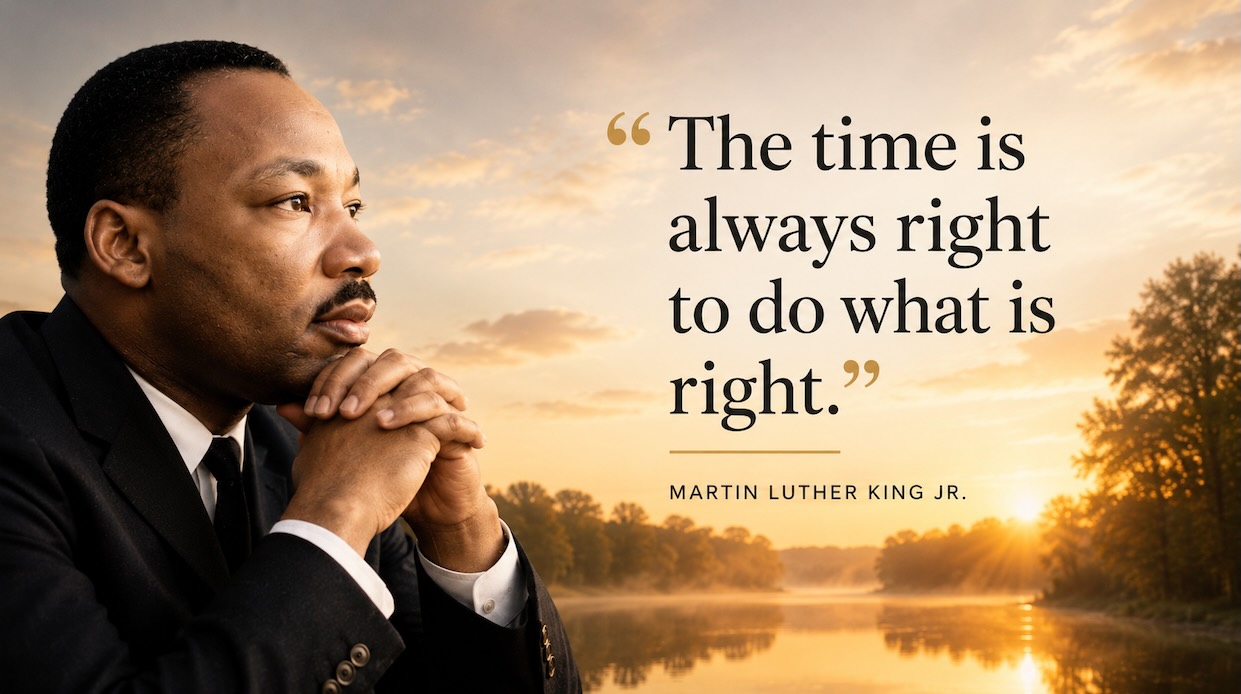
“May my thoughts, words, and actions be in harmony.” — Traditional Sanskrit prayer It is an aspiration most people immediately recognize, even if we rarely put it into words. Many of us spend years trying to become someone—building careers, raising families, meeting responsibilities, and fulfilling expectations. There is nothing wrong with any of

“The meeting of two personalities is like the contact of two chemical substances: if there is any reaction, both are transformed.” — Carl Gustav Jung It is an unusual way to think about relationships. We often measure relationships by time. How many years have we known someone? How close are we? How often

“What right now am I unwilling to feel?” — Tara Brach It’s a simple question that most people can answer if they are willing to sit with it for a moment. Not every difficult feeling is clear. Sometimes disappointment masquerades as irritation. Loneliness begets busyness. Fear poses itself as certainty. We may not

Everything changes. Wisdom begins when we stop being surprised by it. For nearly twenty years, the remains of a famous writer sat forgotten. Not in a cemetery. Not beneath a marble monument. Not scattered at sea. In a filing cabinet. After her death, Dorothy Parker's ashes were sent to her attorney's office. The attorney retired, and

“The eternal quest of the individual human being is to shatter one's loneliness.” — Norman Cousins Loneliness is not always the absence of people. Sometimes it shows up in the middle of everyday life. It can be felt in a room that has slowly grown quieter, in a conversation that never goes deeper,

There are mornings when the lower back wakes us before the first cup of coffee has a chance to help. Most of us treat these moments as minor irritations—one more reminder that the body is no longer as forgiving as it once was. And yet, every so often, a physical ache points
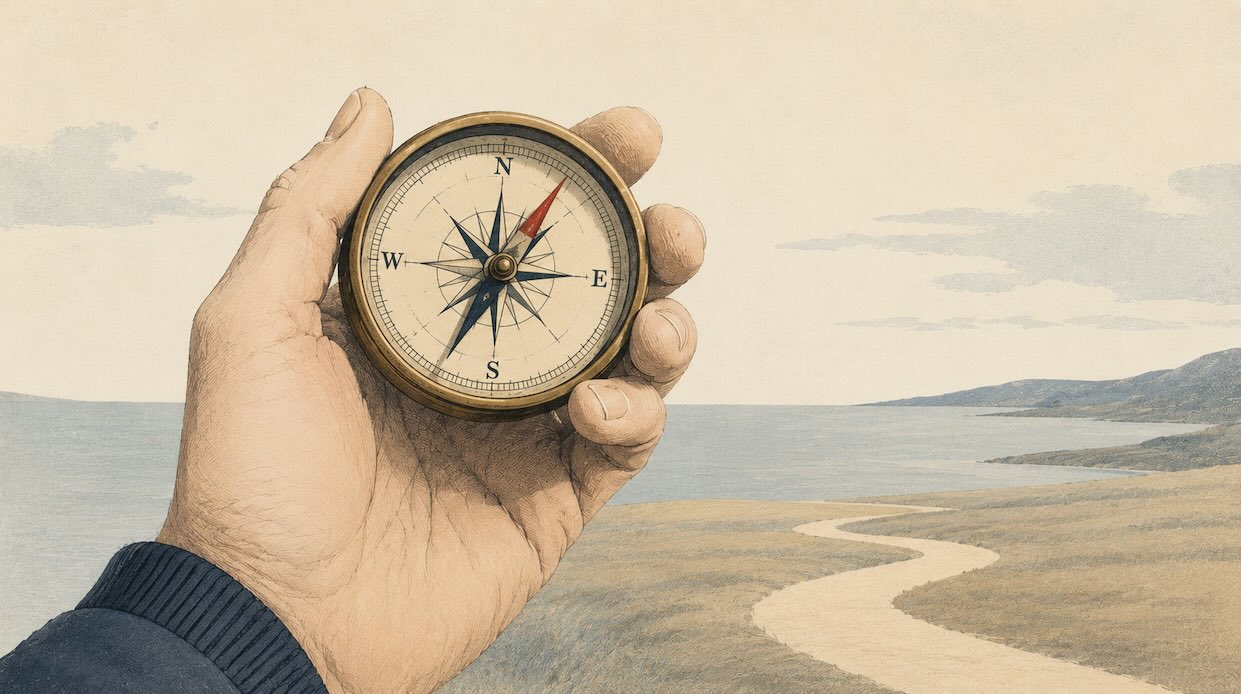
Certainty can be helpful. It lets us make choices, commit to them, and stay steady when life feels unpredictable. But there’s another side to certainty. If we hold on to it too tightly, our world can shrink. We might stop listening or stop questioning what we think we know. The

Inner work in later life doesn’t usually begin with a decision. It shows up in small moments—a reaction that lingers, a thought that returns, a feeling that doesn’t quite pass. Not everything that unsettles us is meant to be solved. Some things are meant to be understood. Traditions Speak on Inner Work ✝️