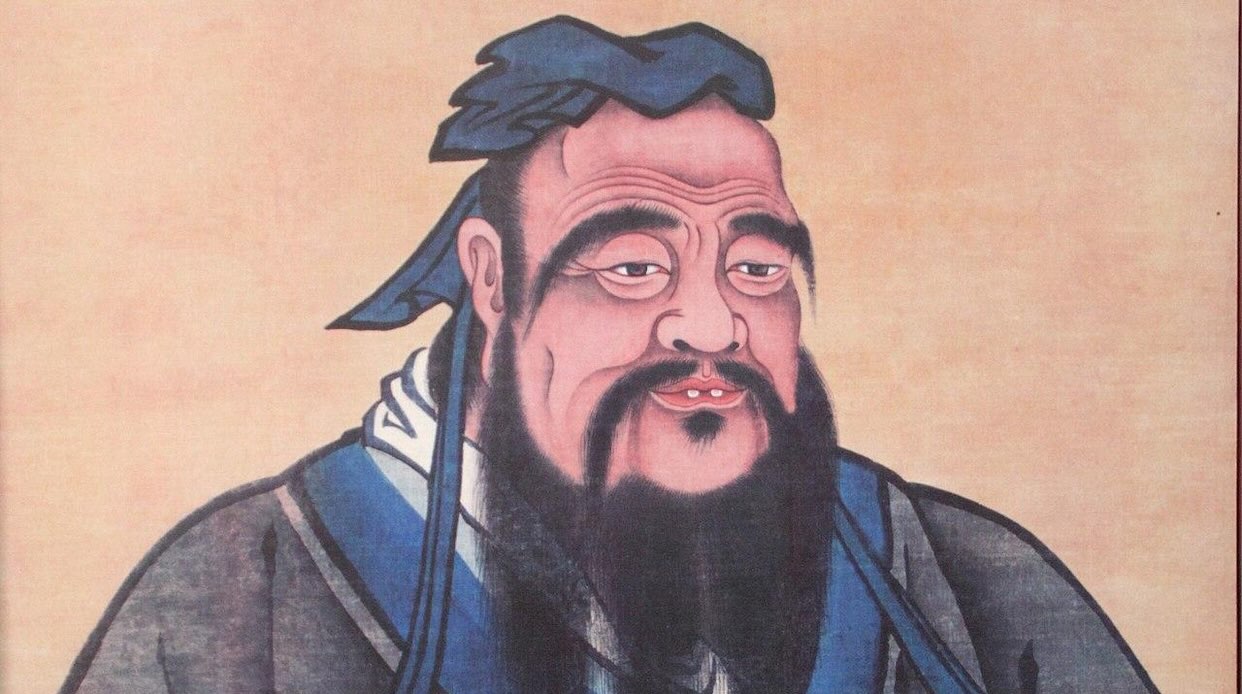


Humility in later life is often misunderstood as a lowering of oneself. In practice, it is closer to making room—an openness that allows something beyond our own certainty to enter.
It does not draw attention to itself. But without it, a life can begin to narrow.
Traditions Speak
✝️ Christianity
“Whoever exalts himself will be humbled, and whoever humbles himself will be exalted.” (Matthew 23:12)
✡️ Judaism
“Moses was very humble, more than anyone else on the face of the earth.” (Numbers 12:3) Humility here is not weakness, but a right understanding of one’s place.
☪️ Islam
“And do not walk upon the earth exultantly.” (Qur’an 17:37) A reminder that the ground beneath us is not ours to claim.
🕉️ Hinduism
“Humility, non-pretence… this is knowledge.” (Bhagavad Gita 13:8) To know is first to set aside the need to appear as one who knows.
☸️ Buddhism
“The fool who knows he is a fool is wise at least so far.” (Dhammapada 63) Humility begins where certainty loosens its grip.
🌀 Taoism
“All streams flow to the sea because it is lower than they are.” (Tao Te Ching) What is low receives. What receives endures.
🏛️ Stoicism
“It is impossible for a man to learn what he thinks he already knows.” — Epictetus. Humility keeps the mind open to correction.
🌿 Everyday Life
Humility appears in small moments: listening without preparing a reply, admitting error without defense, allowing another voice to stand.
Question for Reflection
Where in your life has certainty begun to close things off—and what might it mean to remain open there?
If you find value in these reflections, you can support Spiritual Seniors and help sustain the work:
Support the work
Related spiritual themes: ego and aging, humility, inner life, second half of life, world religions