

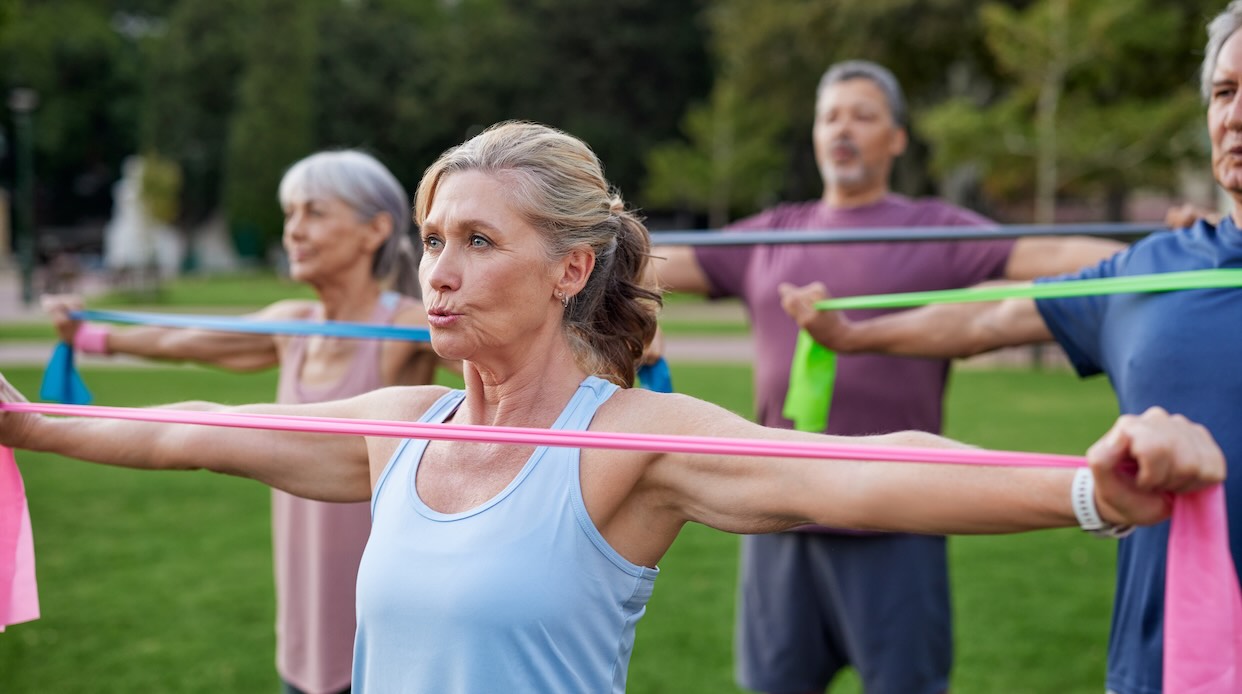
For many of us, caring for the body in later life becomes something different from what it was in youth.
It is the instrument through which work is done, families are raised, journeys are taken. When we are younger, its strength feels almost incidental. We notice it most when it fails.
Later in life, the relationship changes. The body is no longer just the vehicle for our plans. It becomes something closer to a companion — something that asks for attention, patience, and a different kind of care.
Across many spiritual traditions, the body is not treated as an obstacle to the spiritual life. It is the place where life itself unfolds: where breath moves, where suffering is felt, where joy arrives without warning.
To care for the body, then, is not only a matter of health. It is also a way of honoring the life we have been given to live.
Traditions Speak
✝️ Christian Tradition
The apostle Paul wrote that the human body is a “temple of the Holy Spirit” (1 Corinthians 6:19). The phrase is often quoted, sometimes in moral arguments about discipline or restraint. But its deeper meaning is quieter. A temple is not simply a structure. It is a place where the sacred dwells. Seen in that light, caring for the body becomes less about perfection and more about reverence — tending what has been entrusted to us, even as it changes.
☸️ Buddhist Tradition
In Buddhist practice, awareness often begins with the body. Breath is observed. Posture is noticed. Sensation becomes a teacher. The body reminds us of impermanence — not in a discouraging way, but as a simple fact of existence. Everything that lives is changing. To attend to the body with care is therefore not a denial of impermanence. It is a way of living wisely within it.
🕉️ Hindu Tradition
In many strands of Hindu thought, the body is described as the vehicle of the soul. It allows the deeper self — the atman — to move through the experiences of the world. Practices such as yoga developed not merely as exercise, but as a way of aligning body, breath, and attention so that life could be lived more consciously. The aim was not control over the body, but harmony with it.
🪶 Indigenous Wisdom
Many Indigenous traditions see the body as inseparable from the land. The rhythms of the seasons, the movement of animals, the cycles of rest and activity — all are understood as part of a larger balance. To care for the body is therefore also to respect the natural world that sustains it. Health is not only personal. It is relational.
🧠 Psychological Insight
Modern psychology increasingly echoes these older insights. Research shows that attention to the body — through movement, rest, breathing, and connection — affects emotional well-being as much as physical health. The mind does not float above the body. It lives within it. When we care for the body, we often find we are caring for the whole person.
Question for Reflection
What is one small way you can care for your body this week — not as a task to accomplish, but as an act of respect for the life it carries?
Postscript
This reflection continues our recent exploration of belonging in later life. In the past two weeks we considered the story of Lloyd Russell Hammons, who remained on the land where his life unfolded, and Diane Mahree, whose long and varied journey eventually brought her to a quieter season of reflection.
Both stories, in different ways, remind us that later life often invites us to live more fully within the life we already have — including the body that has carried us this far.
If you missed those reflections, you can read them here:
• Belonging in Later Life
• Where We Belong Now
Related spiritual themes: aging well, impermanence, movement, spiritual wellness, yoga


Carol Crismond March 11, 2026
I look forward to reading all of the writings in Spiritual Seniors. This morning I took some time to review the content and being an 81 year old part-time working wife, mother, grandmother, great grandmother, makes me want to see how others are spending their time. I find life challenging and a struggle for many years but remain positive, and always try to uplift family and friends. One thing I have found out is that life is a ongoing struggle but it also provides an opportunity to become a problem solver who find peace in the resolution. Look forward to the Spiritual Senior experience.
The Editors March 11, 2026
Carol, Thank you for this thoughtful note, and welcome to the Spiritual Seniors community.
Your words about life being an ongoing struggle—and also an opportunity to become a problem solver who finds peace in the resolution—carry a great deal of wisdom. Many of our readers would recognize that truth immediately. The years teach us that challenges rarely disappear entirely, but we do grow in patience, perspective, and the quiet strength to meet them.
I also admire your spirit of continuing to uplift family and friends. At 81, still working part time and staying engaged with life, you are clearly living the kind of presence and resilience that many of us hope to cultivate.
One of the things we hope for here is exactly what you described: a place where people can see how others are spending their time, reflecting on the years, and finding meaning along the way.
We’re very glad you’ve joined us.
— Jim
Jeanie Shrode March 11, 2026
In response to the question of caring for the body this week as an act of respect…
Since reading the segments of the Four Agreements, they have become my guiding principles this year. “#4 Always do your best.” I apply this to my self care and respect for body and the life it carries by honoring my present bodily capacity with loving kindness, trusting inner wisdom to discern my limits in the present without clinging to the past or fearing the future. The body and all life is changing but it will remain my holy sanctuary whatever it’s capacity, no longer measured by its productivity but by its inherent spirit. I sit with it every day and observe its sensations without judgement.
The Editors March 12, 2026
Jeanie, Thank you for sharing this reflection. Your description of honoring the body’s present capacity with “loving kindness” captures something very important. Many of us spend years measuring our bodies by what they can produce or accomplish. It takes a different kind of wisdom to begin seeing the body as you describe it—less as a tool for productivity and more as a sanctuary that carries our life.
I’m also glad the Four Agreements have been meaningful for you. “Always do your best” can become a surprisingly compassionate guide when we understand that our best naturally changes from season to season. What the body can offer at one moment may be different from another, and learning to meet those changes without judgment is a quiet form of respect.
Your daily practice of simply sitting with the body and observing its sensations is a beautiful expression of that respect. Thank you for adding your voice to the conversation.
— Jim