
The reflection we shared on Sunday—10,000 Ways—spoke of something easy to overlook: that a community is not made of sameness, but of differences, embraced with care.
Ten thousand readers does not mean one voice multiplied. It means ten thousand lives—each shaped by particular joys, losses, questions, and callings.
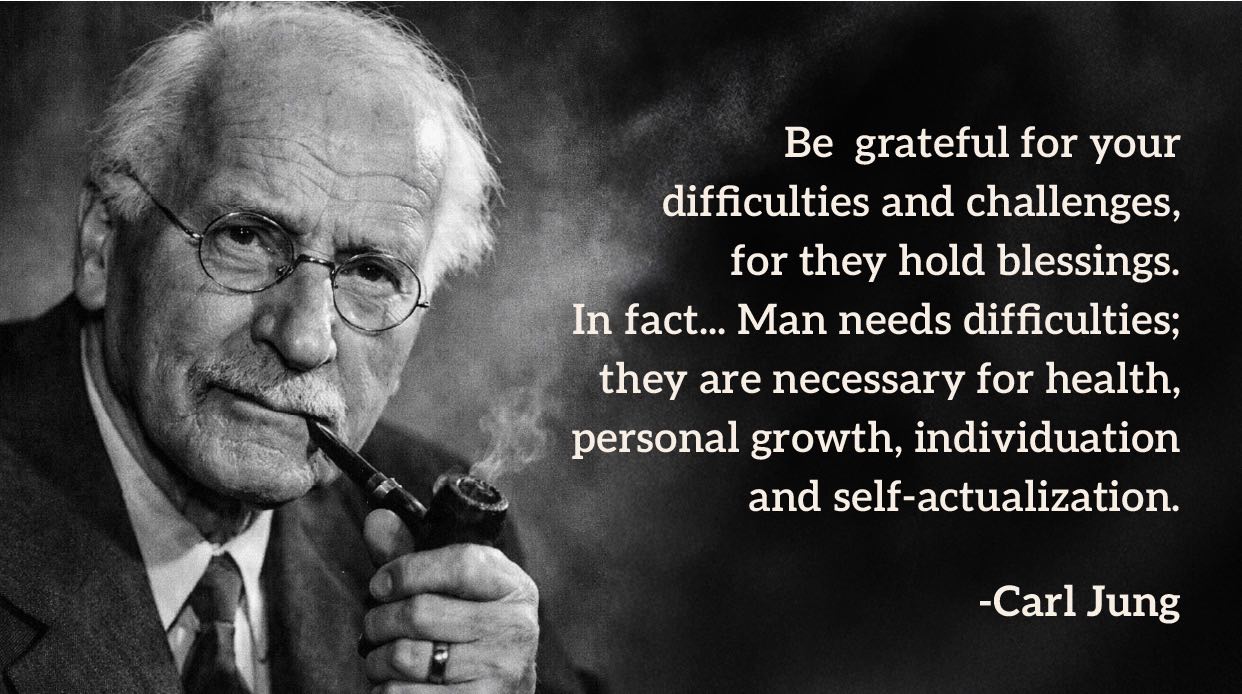
There is a word for that movement in the spiritual life: individuation.
Not separation from others, but the slow, lifelong work of becoming who we actually are—distinct, responsible, and whole.
Across wisdom traditions, this work is understood not as self-absorption, but as a deepening alignment between the inner life and the life we live in the world.
Traditions Speak
✝️ Christianity
In Christian thought, each person is called by name. Vocation is not generic; it is personal. The apostle Paul’s image of the body—with many members, each with its own function—suggests that fullness comes not through uniformity, but through faithful differentiation.
☸️ Buddhism
While Buddhism cautions against clinging to a fixed self, it also honors the unique path each person walks toward awakening. Practice unfolds according to temperament, circumstance, and capacity. Individuation here is not ego-building, but the honest recognition of one’s particular conditioning—and the responsibility that comes with it.
✡️ Judaism
Jewish tradition teaches that each person is created b’tzelem Elohim—in the image of God—and that no two faces, or lives, are the same. Individuation is reflected in the idea that every person has a unique portion of Torah to live out, something only they can embody.
☪️ Islam
In Islam, each soul stands in direct relationship with God, accountable for its own intentions and actions. The spiritual life is not lived by comparison, but by faithfulness. Individuation is expressed through sincere intention (niyyah)—the inward alignment that gives each act its moral weight.
🕉️ Hinduism
Hindu philosophy speaks of dharma—the particular path, duty, or way of being that belongs to each person. While ultimate reality is one, the way it is lived is many. Individuation is the discovery of one’s rightful place within the larger whole.
🏛️ Stoicism
Stoic thinkers emphasized living in accordance with one’s nature—not someone else’s. Wisdom involved understanding one’s capacities, limits, and responsibilities, and shaping a life that reflected them honestly rather than aspirationally.
🪶 Indigenous Wisdom
Many Indigenous traditions understand identity as relational and place-based. One becomes oneself through relationship—with family, land, ancestors, and community. Individuation is not isolation, but knowing where and how one belongs.
🌿 Everyday Life
In later life, individuation often becomes quieter and clearer. Less about proving, more about integrating. Less about becoming someone new, more about becoming more fully oneself—without apology and without performance.
Question for Reflection
Where in your life are you still becoming more fully yourself—not in opposition to others, but alongside them?
Related spiritual themes: ego and aging, emotional wisdom, individuation, inner life, interfaith wisdom, jung, world religions