

Nature Is Not Lonely: How Green Spaces Heal the Heart in Later Life

Across the globe, loneliness is now treated as a public health emergency. The United Kingdom and Japan have appointed ministers of loneliness. In the United States, the former Surgeon General, Dr. Vivek Murthy, issued a 2023 advisory stating that loneliness poses a mortality risk equivalent to smoking 15 cigarettes a day. While most coverage focuses on technological and social factors, researchers are now exploring how place—the environment around us—shapes whether we connect or retreat.
One such term emerging in the literature is the “lonelygenic environment.” Just as some environments encourage obesity or anxiety, lonelygenic environments foster social disconnection. These might include sprawling suburbs with no sidewalks, apartment buildings without common areas, or even clinical senior living facilities lacking green space. When we live in places that make casual connection difficult, we don’t just feel lonely—we become it.
Fortunately, there is growing evidence that nature is a powerful counterforce. According to a recent Washington Post article by science writer Meeri Kim, exposure to natural green space doesn’t just reduce stress; it actively encourages social interaction and belonging. Seniors who live near parks, for example, report lower levels of isolation. Tree-lined sidewalks, public gardens, and even shared courtyards become sites of connection. Birdsongs replace background noise. Strangers make eye contact. Something subtle shifts.
What Makes a Place Lonelygenic?
Lonelygenic environments are physical spaces that discourage connection. They can increase feelings of isolation, especially in later life.
- Lack of sidewalks or benches
- No access to nature or green space
- Poor lighting or safety concerns
- Buildings without common gathering areas
- Environments dominated by traffic or noise
- Absence of beauty—no trees, flowers, or birdsong
Small design changes—like a bench under a tree—can make a profound difference.
For older adults in particular, nature offers what many institutions do not: dignity without demand. No one needs an appointment to sit on a bench beneath a maple. No one needs a membership card to hear the wind in the grass. The gentle structure of green space supports both solitude and community. You can walk alone or greet a neighbor. You can pray, observe, or simply be. There is no wrong way to belong in nature.
This is not merely poetic thinking. Studies have shown that green spaces improve cognitive function, reduce inflammation, and ease symptoms of depression. A 2022 study published in Frontiers in Psychology found that older adults who participated in outdoor walking groups experienced measurable reductions in loneliness and anxiety. Another study in the Journal of Aging and Health reported that seniors with access to neighborhood parks were more likely to engage in daily social interaction, even without planned events.
From a spiritual standpoint, this makes intuitive sense. Most religious traditions acknowledge the sacred in nature. The Psalms are filled with imagery of rivers and trees praising God. In Buddhist practice, nature is both metaphor and method for awakening. Native traditions honor the Earth as teacher. Even the desert fathers of early Christianity sought solitude in wild places not to escape the world, but to meet the Divine more intimately. Nature reminds us: we are part of something larger.
Yet not everyone has easy access to green space. For seniors living in urban areas or assisted living centers, barriers such as transportation, mobility, or safety concerns can limit contact with the natural world. That makes it even more urgent to create accessible outdoor areas—to transform lonelygenic environments into welcoming ones. Raised garden beds, shaded benches, well-lit paths, even small rooftop plantings can shift the emotional landscape.
Faith communities and local organizations can help, too. Spiritual walking groups, neighborhood tree-planting projects, or simply hosting a prayer circle outdoors can bring people together without forcing social performance. These are not large investments. But they have lasting returns.
For those reading this today, the invitation is simple. Step outside. Notice something alive. Touch bark, watch a cloud, feel the soil. You don’t have to be in a forest. A balcony plant or a local park can be enough. These small acts, repeated over time, help us re-inhabit our bodies, our neighborhoods, and our sense of the sacred.
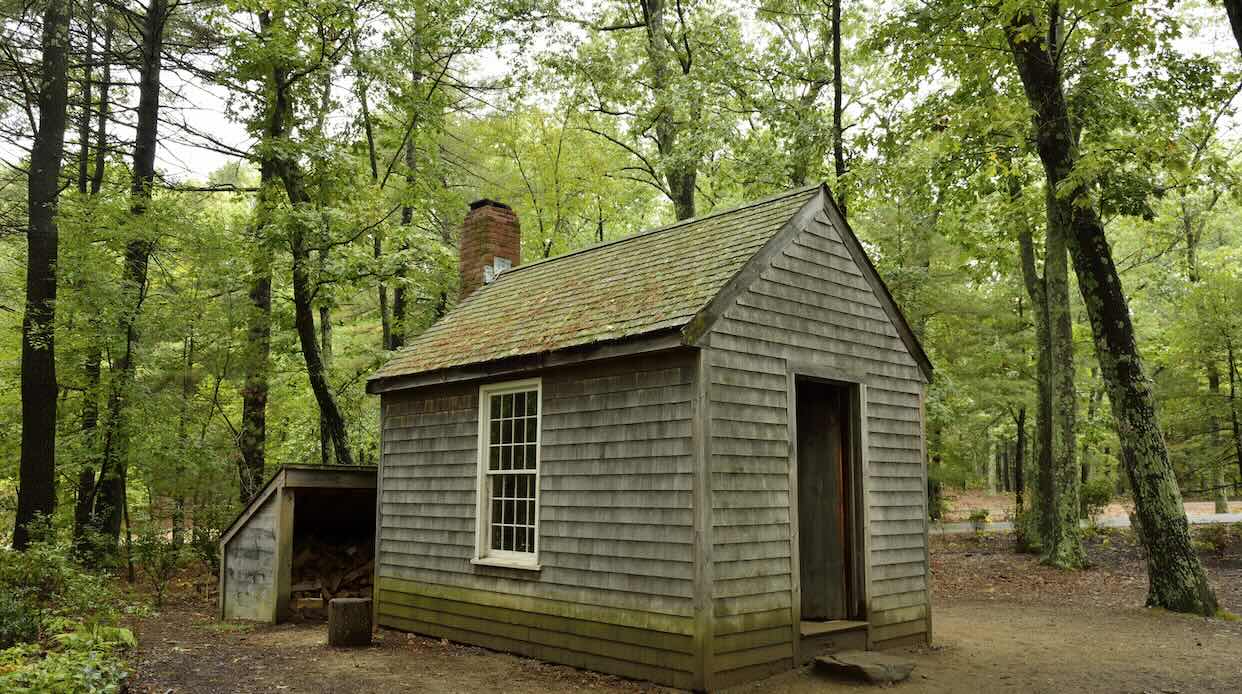
Thoreau’s appointment with a pine tree wasn’t about the tree. It was about keeping a promise to himself: to show up fully in the world, to attend to what was real. In a culture that often leaves older adults feeling invisible, nature sees us. It welcomes us. And perhaps most importantly, it never rushes us away.
“I want to be like the earth, surrounded by the mystery of the living world.” —Mary Oliver
Postscript
If this reflection resonated with you, we invite you to continue exploring. Each week, Spiritual Seniors offers new reflections grounded in wisdom traditions, emotional well-being, and the quiet joys of later life. Recent posts include: The Alphabet of the Heart, Stop Acting Your Age, and a look at Continuing Care Retirement Communities.
Read about Gratitude, Forgiveness, Silence, and Meaning in Later Life — all part of our ongoing “Spiritual Signals” series.
Join the conversation in the comments section below.
Related spiritual themes: community, loneliness
Reader submissions may be lightly edited for clarity and length, while preserving the writer’s original voice.

Sandi Cunningham June 20, 2025
I grew up in the suburbs, however, the city I lived in had a network of canals. I used to walk 6 blocks and sit at the canal for hours! So, even as a child I enjoyed my solitude and nature. I now live close to 2 state parks and I try to visit at least once a week! When I go, I take my yoga mat and writing and drawing tools! Sometimes I stay for hours and sometimes not long at all! Every time though, I feel closer to my higher power or “God”! Sometimes I write poetry or draw sketches! I don’t do these things in hopes of making money or even having them published!! I do these things just for myself!! Occasionally, I post them on my page on Facebook!! Because, I hope they may inspire someone!! (No one in particular) I am a very well grounded person and I am usually very happy!!
The Editors June 21, 2025
Sandy, thank you for sharing this. What a beautiful rhythm you’ve found in your life—making time for nature, for your creative side, and for that deeper connection with God. It’s amazing how those childhood moments by the canal stayed with you and shaped the way you care for your spirit today. We especially love that you write and draw just for yourself, and sometimes share it in case it might lift someone else’s day. That kind of quiet generosity really stands out. You sound grounded, joyful, and full of purpose. We’re grateful you’re part of this space.