


When a smile restores our sense of worth
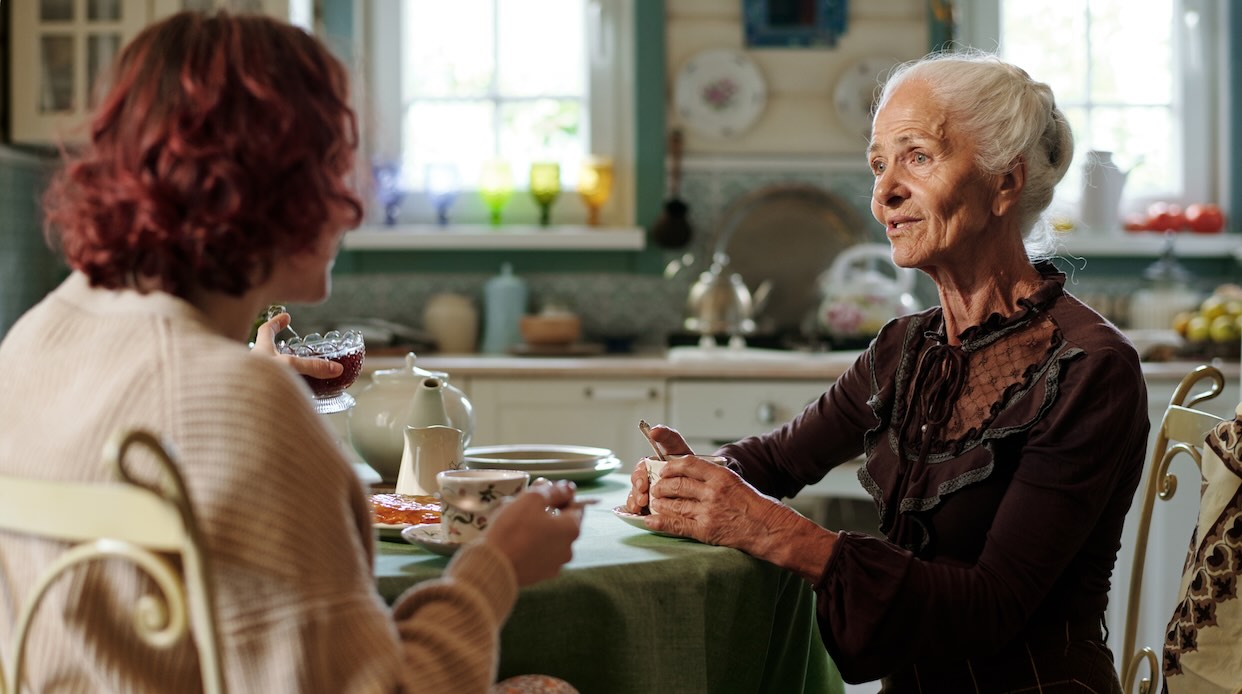
“I’m an old woman now, and smiles are so appreciated—especially when they come from younger people. So often as we age, one can feel invisible, not of much value in this busy, impersonal world. Being acknowledged in that way warms my heart and takes away some of the loneliness.”
That note arrived after last week’s reflection, The Miracle of a Smile. We’ve read it several times now, and each time, it stops us. Her words say what many feel but rarely voice: the simple act of being seen can make a day feel different—sometimes even redeemed.
When we’re young, attention is something we take for granted. Eyes meet us everywhere: in classrooms, in stores, in conversation. But as we age, the world’s gaze shifts. People look past us—at their phones, their to-do lists, their own concerns. The invisibility our reader describes is quiet but cumulative. It’s not one moment of being ignored—it’s the slow fade of recognition.
A smile, then, becomes something more than kindness. It’s a reminder of existence, of mattering. It says, You are still here—and I see you. That’s no small thing. It’s what so many spiritual traditions call “witnessing”—the act of presence that affirms life in another person.
We talk often about loneliness, but not enough about what undoes it. Most of us can’t fix another’s pain, but we can honor their humanity. We can meet their eyes and let warmth show. A smile doesn’t cure isolation, but it interrupts it—if only for a breath.
And that interruption is everything.
Her comment also carries another quiet truth: appreciation runs both ways. When we offer a smile, we not only affirm the other person; we soften ourselves. Compassion has a way of circling back. The one who smiles receives a kind of grace too—the grace of remembering our shared fragility and belonging.
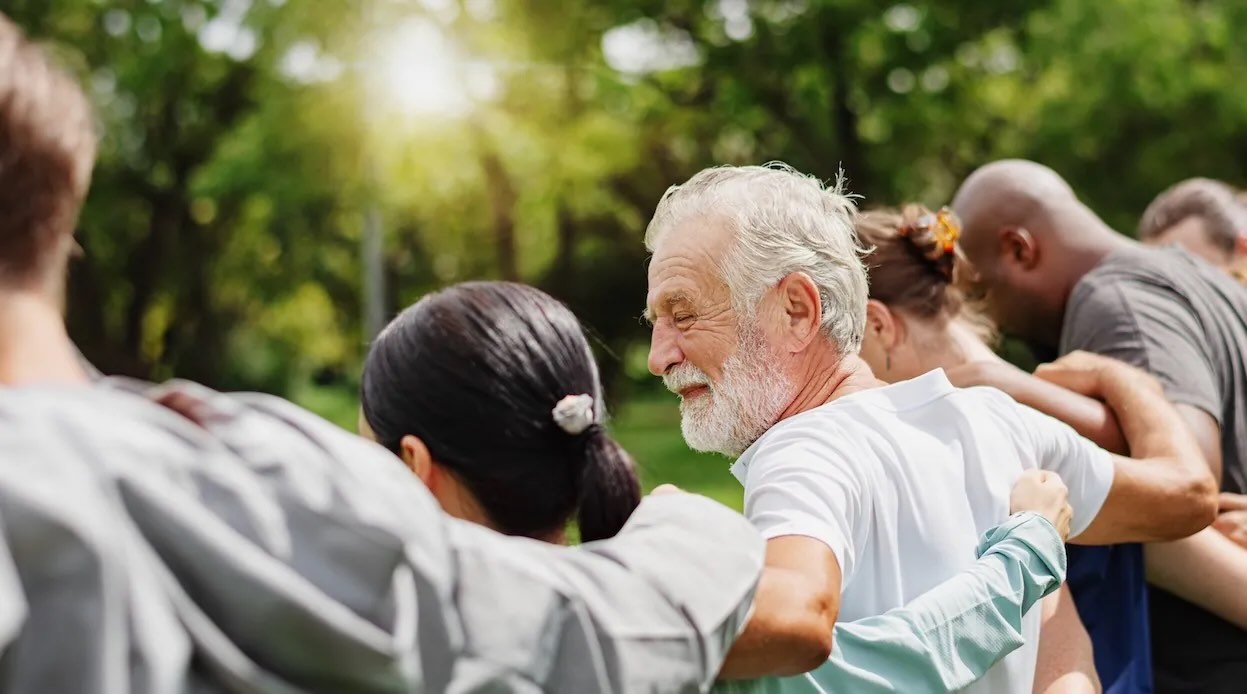
This exchange between generations—one smile given, one received—becomes a bridge across years. The young person may not know how much their gesture means, but the older person carries it like a light. The world feels a little less impersonal.
Our reader’s words remind us that aging doesn’t erase our need to be acknowledged. If anything, it deepens it. To be seen is to be human. To see others—truly see them—is a spiritual act.
Maybe that’s the invitation behind her note: to slow down long enough to look up, to notice, to smile.
Moments like these remind us that visibility isn’t about vanity; it’s about belonging. Each smile, each word of acknowledgment, keeps the thread between us from fraying. In later life, being seen affirms that we still have something to offer—wisdom, humor, presence, a story someone else might need. When we are noticed with kindness, it restores a sense of participation in the world, a quiet assurance that our season still matters. And when we offer that same recognition to others, we become part of a larger healing—one small gesture at a time. To be seen is to remember that love still has work to do through us, and that the world, though hurried, still has room for gentleness.
We’d like to leave you with her final line again, because it carries the whole message in one breath:
“Being acknowledged in that way warms my heart and takes away some of the loneliness.”
May we keep finding ways to acknowledge one another—not just with smiles, but with the steady attention that says, You still matter here.
Join the Conversation
Have you ever felt the quiet joy of being seen—through a smile, a kind word, or a simple acknowledgment? We’d love to hear how those moments have touched your life. Share your reflection in the comments below, and help remind others that seeing and being seen keep the circle of care alive.
Related spiritual themes: acceptance, belonging, elder wisdom, presence, smile power, solitude
Reader submissions may be lightly edited for clarity and length, while preserving the writer’s original voice.


James Sarafin May 12, 2026
To be seen we must first learn to see. Unfortunately most of us don’t see each other because our attention is directed toward what we think about each other and what we think is not truth. We can only see each other when our attention is directed toward our perceptions of each other instead of our attention being directed toward what we think about each other. We can only truly see each other in the present but most of us live in the past.