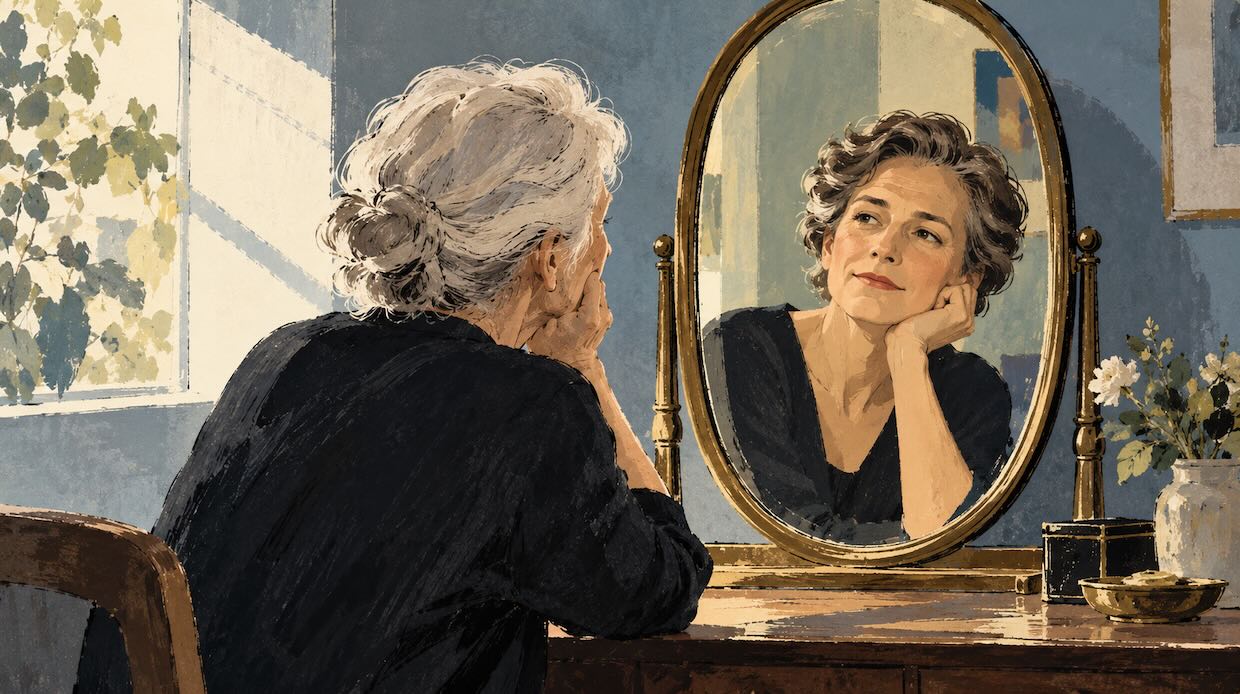


What happens when the strength we expected to have is gone? The Finnish concept of sisu offers a surprising way to think about perseverance, surrender, and the reserves we discover in later life.
On this day, August 9, 1854, Henry David Thoreau published Walden: Life in the Woods, a book that is still inviting readers into the same conversation 172 years later. Thousands of books have come and gone since then. Some were bestsellers in their day and are
Christopher Nolan's upcoming adaptation of The Odyssey has sparked renewed interest in Homer's ancient masterpiece. But why has this story endured for nearly three thousand years? Perhaps because, beneath the monsters and adventures, it tells the story of every life searching for home.
Before he died, Indianapolis businessman Terry Kahn gave his attorney one unusual instruction: Do not spend money on an obituary. Kahn did not believe anyone would be interested in reading about his life. He was wrong. When Kahn died in 2021, he left behind an estate worth
“I don’t know.” Three simple words. Perhaps among the hardest words for adults to say. When we’re young, we often believe maturity means accumulating answers. School rewards certainty. Careers reward expertise. Society admires confidence. We learn to project assurance, even when we feel anything but certain inside. Yet something
Everything changes. Wisdom begins when we stop being surprised by it. For nearly twenty years, the remains of a famous writer sat forgotten. Not in a cemetery. Not beneath a marble monument. Not scattered at sea. In a filing cabinet. After her death, Dorothy Parker's ashes were sent to her attorney's
Certainty can be helpful. It lets us make choices, commit to them, and stay steady when life feels unpredictable. But there’s another side to certainty. If we hold on to it too tightly, our world can shrink. We might stop listening or stop questioning what
Inner work in later life doesn’t usually begin with a decision. It shows up in small moments—a reaction that lingers, a thought that returns, a feeling that doesn’t quite pass. Not everything that unsettles us is meant to be solved. Some things are meant to be
Humility in later life is often misunderstood as a lowering of oneself. In practice, it is closer to making room—an openness that allows something beyond our own certainty to enter. It does not draw attention to itself. But without it, a life can begin to narrow. Traditions
Doubt in later life is not always a crisis of faith. Last Sunday’s reflection considered a stretch of life where certainty no longer works the way it once did—not as a failure, but as something most of us encounter along the way. Building on that, this week,