
Spiritual Signals: What Confucius Learned at Seventy
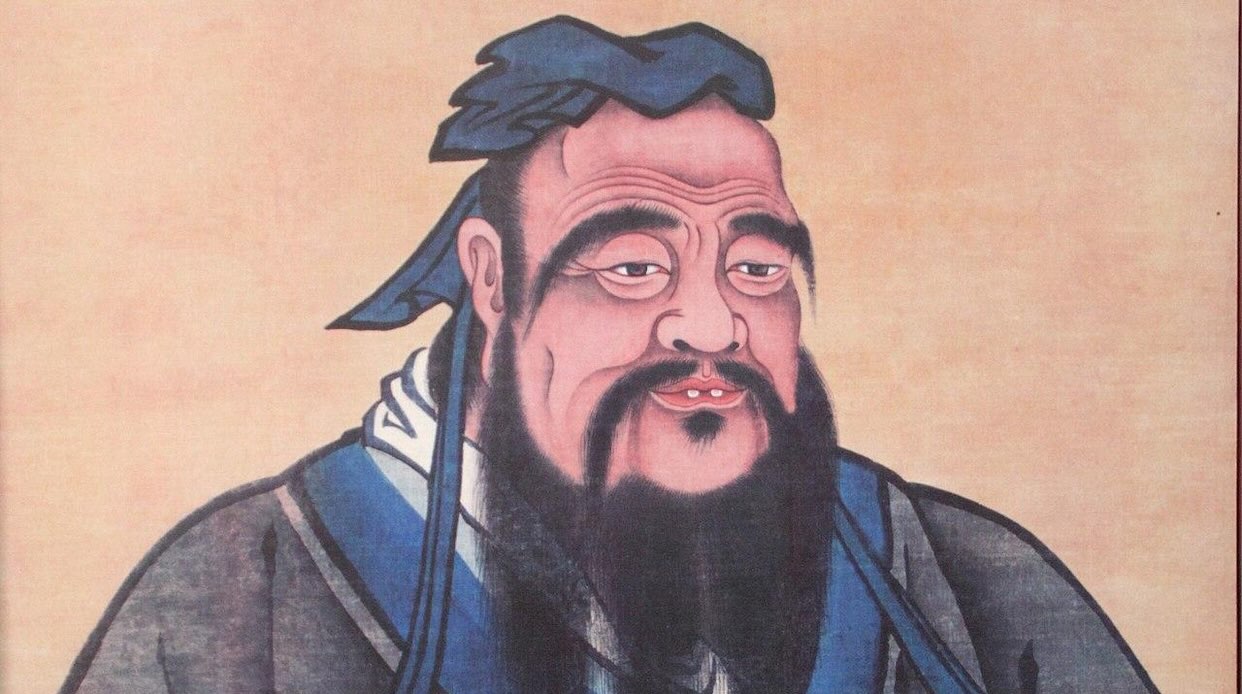
There are plenty of things we are told not to trust as we grow older. Our balance. Our night vision. Our hearing. Our memory for the name of the actor in the movie we watched last week. Confucius thought there was something we might learn to trust more.Ourselves.
More than 2,500 years ago, the Chinese philosopher described his own life in stages. At fifteen, he devoted himself to learning. At thirty, he stood firm. At forty, his doubts diminished. At fifty, he understood what he called the decrees of Heaven. At sixty, he had learned to hear what came to him.
Then came seventy. He said he could follow what his heart desired “without transgressing what was right.”
That is a remarkable idea about growing older.
Confucius was not saying that seventy gave him permission to do whatever he pleased. He was saying that after a lifetime of learning, choosing, failing, listening and trying again, what he wanted and what he knew to be right no longer pulled him in opposite directions.
Perhaps that is one kind of freedom the years can give us.
Traditions Speak
☯️ Confucianism
Age alone did not make Confucius wise. His seventy-year-old freedom was the result of formation—a lifetime spent learning how to live. The destination was not greater self-control, but something subtler: becoming a person whose desires could finally be trusted.
✡️ Judaism
The Hebrew Scriptures refuse to treat later life as a period in which nothing more is expected of us. The psalmist says that the righteous “still produce fruit” in old age. The image is not of preserving youth, but of continuing to bear something worthwhile.
✝️ Christianity
Christian teaching often separates what happens to the body from what may still happen within us. Paul writes of the outer self wasting away while the inner self is renewed. Growing older can involve diminishment without requiring the diminishment of the person we are becoming.
☪️ Islam
The Qur’an describes maturity as a time for gratitude, good works and awareness of what one passes to the next generation. Its prayer at maturity looks backward toward parents and forward toward children. The years enlarge the horizon beyond the self.
☸️ Buddhism
Buddhism offers little romance about aging. Everything changes; the body does too. But recognizing impermanence can loosen our attachment to the idea that life must remain as it was. Wisdom lies not in defeating change, but in seeing it clearly.
☯️ Taoism
Taoist thought repeatedly warns against forcing life into the shape we think it should take. There is strength in yielding, simplicity in letting go, and freedom in moving with reality rather than constantly struggling against it. Later life may give us more opportunities to discover the difference.
🌿 Indigenous Traditions
There is no single Indigenous understanding of aging; traditions differ greatly among peoples and communities. In many, however, becoming an elder means more than reaching a certain age. Elders may carry stories, memory, teachings and responsibilities that connect generations. The years acquire value partly through what a person has learned—and what they are prepared to pass along.
🏛️ Stoicism
The Stoics drew a hard line between what belongs to us and what does not. We cannot command time, health, other people or circumstance. We can still govern our judgments and choices. Age may narrow some freedoms while making that distinction increasingly clear.
🧠 Psychological Perspective
Modern psychology gives us less poetic language for something the traditions understood long ago: people can continue developing throughout adulthood. Experience does not automatically produce wisdom. Reflection on experience can.
Confucius did not claim that reaching seventy made him wise.
Seventy was simply where a lifetime of formation had brought him.
Perhaps that distinction matters. We can accumulate years without allowing the years to change us. Or we can discover, sometimes slowly, that we no longer need quite so many rules because some of the rules have become part of us.
Question for Reflection
After all these years, do you trust your own heart more than you once did?
Spiritual Seniors is made possible in part by readers who believe conversations like these should remain available to everyone. If you value what you find here, please consider becoming a supporting member.
Related spiritual themes: aging well, ego and aging, elder wisdom, world religions


Jackie Devine October 8, 2026
Let your wisdom guide you, your instincts inform you, and your inner strength steady you.
Cedar Wren October 16, 2026
What a beautiful reflection to start the day with. The line that stayed with me is that we can accumulate years without allowing the years to change us. At 68, I am finding that I do trust my heart more — not because I make fewer mistakes, but because I have learned to listen before I act. Thank you for this series; it has become part of my morning routine.