

Forgive me at the outset. I like puns. Years ago, my best friend’s mother would say they were the lowest form of humor. We disagreed. A good pun, if it holds, does more than play with words. It carries two meanings at once and lets them
What success can hide—and what keeps a life open There is a particular risk that comes with success. Not failure. Not struggle. Success. When things go well long enough, something begins to change. People listen more closely. They defer. They assume you know what you’re doing—not
Editor’s Note It has been some time since we last shared a From the Circle reflection. This one arrived recently and seemed important to share. A Reader’s Reflection There are moments when a reader’s words arrive with a certain weight—especially when they speak to the work of finding
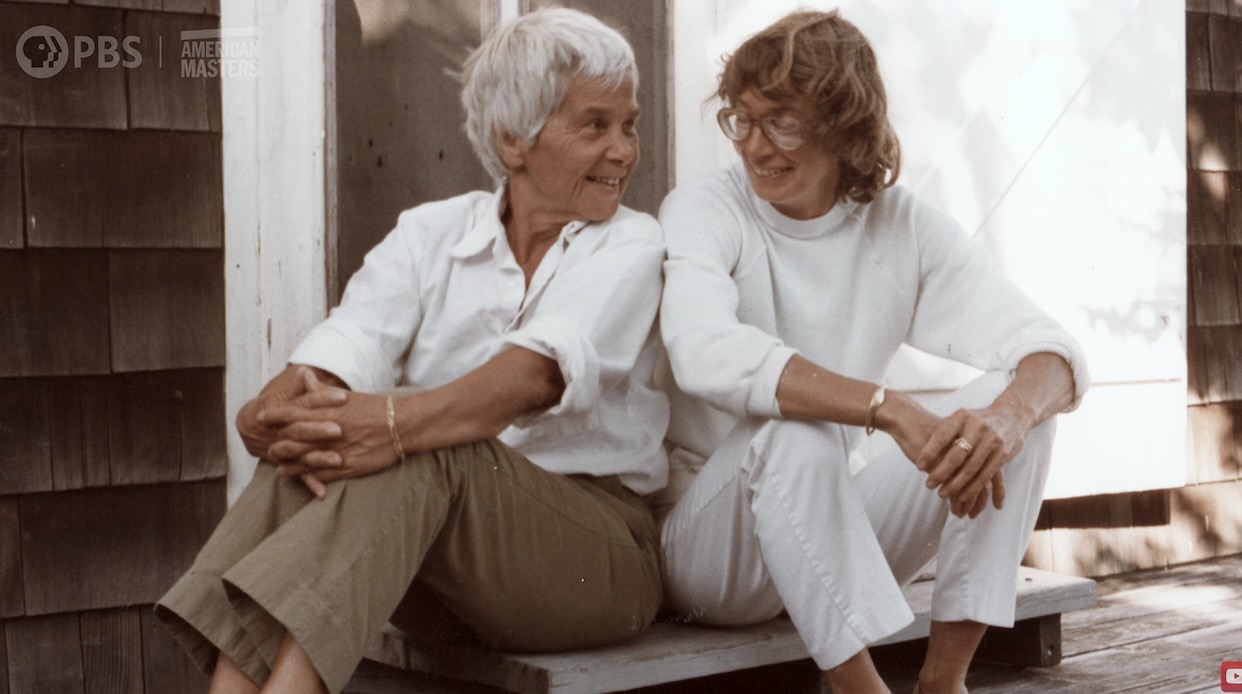
What Lloyd Hammons and Diane Mahree reveal about belonging in later life Some lives are spent searching for where they belong. Others settle into place almost without intending to. In the first reflection in this series, The Man Who Stayed, we considered the story of Lloyd Russell
Last Sunday’s reflection asked where we belong now. This week, we consider what it means to practice staying with what matters in later life. For many who have done the inner work, that question eventually becomes quieter and more demanding. It shifts from geography to attention.
The reflection we shared on Sunday—10,000 Ways—spoke of something easy to overlook: that a community is not made of sameness, but of differences, embraced with care. Ten thousand readers does not mean one voice multiplied. It means ten thousand lives—each shaped by particular joys, losses, questions,
The Fourth Agreement sounds, at first glance, like the most demanding of the four. Always do your best. For some, those words feel like encouragement. For others—especially those who have carried responsibility for a long time—they feel more like a not so quiet accusation. There are days when
Our reflection on the second of The Four Agreements asked a difficult but freeing question: what happens when we stop treating other people’s reactions as verdicts about who we are? This midweek pause listens for wisdom from several traditions that arrive at the same quiet conclusion.
The Second Agreement and the Freedom of Carrying Less “What other people think of you is none of your business.”— Regina Brett What makes that sentence unsettling is not its bluntness, but its accuracy. Most of us have spent a lifetime tending to other people’s opinions—anticipating
The Signal The holidays have a way of amplifying everything—joy, memory, absence, grief. For many, this season carries more weight than sparkle. Steadiness, then, is not about feeling calm all the time. It is about how we carry ourselves when emotions run high and the world