
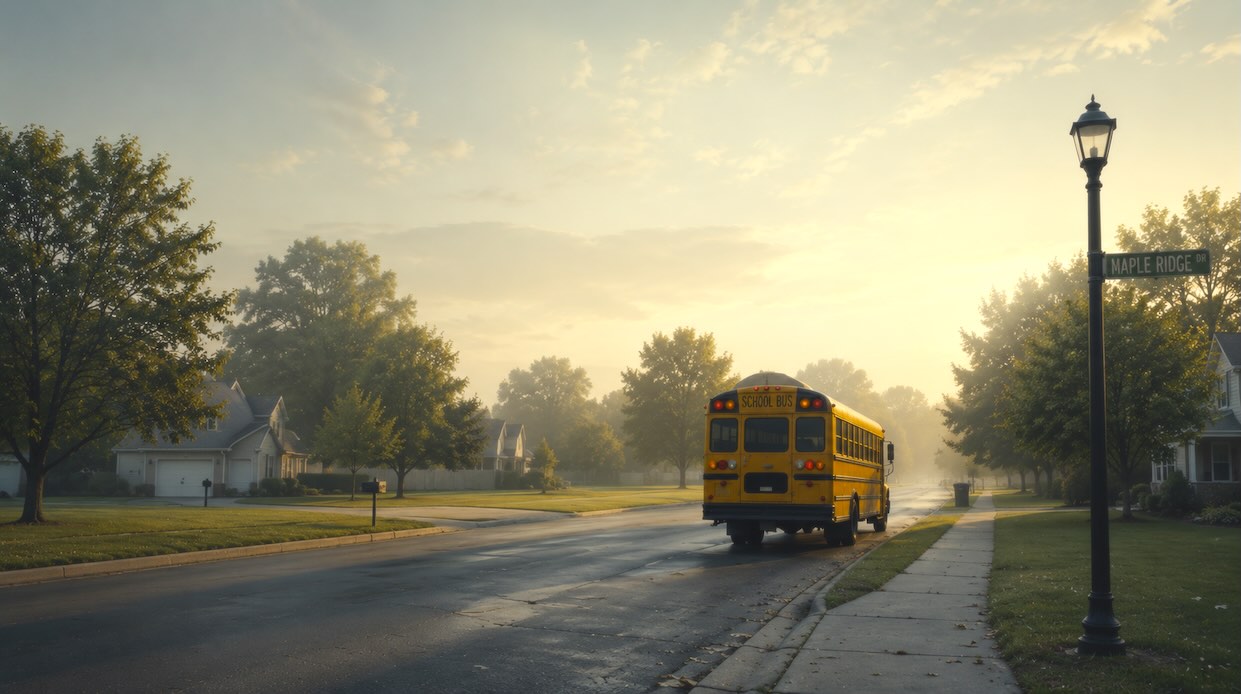
The first signs of fall usually arrive before the school buses do. Back-to-school commercials on every channel and stream. Halloween candy in the drugstore and pumpkin beers on the menu at your favorite restaurant. Then comes the first cooler day. It may still be summer, but for the first time in months, it doesn’t quite feel like it.
For many of us, there was a time when those signs meant one thing. Summer vacation was almost over. That was not necessarily bad news. There were friends we hadn’t seen since June, new teachers to meet, new clothes to wear. There was something exciting about starting over with a fresh notebook and a new schedule.
But there was something else, too. September meant getting up early again. Homework. Tests. Less time outside. The long stretch of freedom that began when the final bell rang in June was coming to an end.
Those years are far behind us now. Most of us haven’t had a first day of school in half a century or more. We don’t have homework due Monday morning, and nobody cares whether we finished the summer reading list. So why can that first cool day in August still make us feel a little melancholy?
The answer may have less to do with school than with what September taught us. Very early in life, we learned to associate the end of summer with the end of something we didn’t want to lose. And we learned it over and over again, year after year.
Eventually, of course, September stopped sending us back to school. But it never stopped arriving.
The nature writer Hal Borland once described summer as “a promissory note signed in June, its long days spent and gone before you know it, and due to be repaid next January.”
For a schoolchild, the bill came much sooner. September meant giving something back. The long days were still there, but they no longer belonged entirely to us.
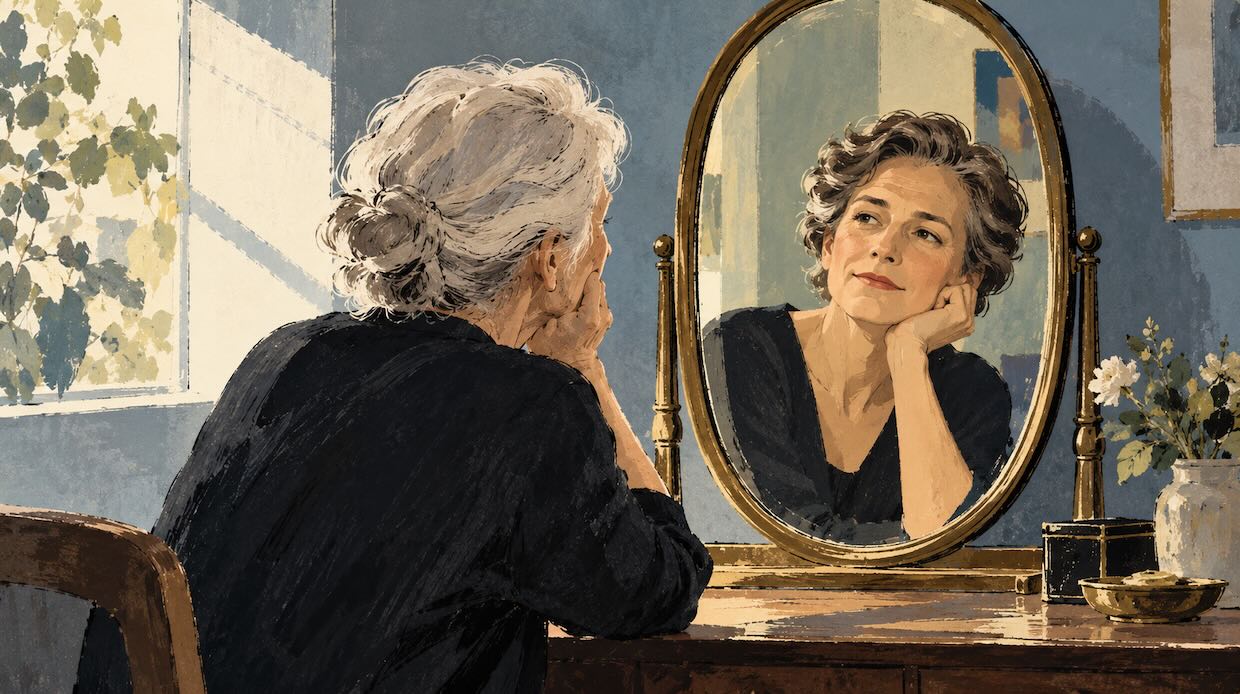
Years later, autumn can take on a different meaning. We begin to hear the season used to describe our own lives. Spring belongs to youth. Summer to the busy middle years. And then, inevitably, comes autumn.
Carl Jung preferred another time of day. He compared the course of a human life to the daily course of the sun. Morning has one purpose; afternoon another.
“The afternoon of life is just as full of meaning as the morning; only, its meaning and purpose are different.”
—Carl Jung
The morning years are largely spent looking outward. We establish ourselves in the world. We work, build careers, raise families, pursue ambitions and try to become whoever we think we are supposed to become. For much of life, the question is: What comes next?
In the afternoon, the questions change. What matters now? What can be let go? What have the years taught us? What remains unfinished? And what do we want to do with the time that remains?
Jung did not regard those questions as evidence that life’s important work was behind us. He believed there was work that belonged specifically to the second half of life.
Which brings us back to September. For most of our childhood, September represented a loss of freedom. Later, we inherited another version of the same story. Autumn became shorthand for decline, a season defined largely by what had already passed.
But autumn is also a beginning. September was once the month when we walked into a new classroom. There were new books to open, new things to learn and people we had not yet met. Even the part we dreaded was asking us to begin again.
Perhaps that is the part of September we forgot. There is no reason to dread the school bus anymore. It will pass by and pick up somebody else’s grandchildren. The homework belongs to somebody else, too. September can no longer take away our summer vacation. But it can still mark a beginning.
There may be something we have been meaning to learn. Someone we have been meaning to call. A place we have wanted to visit. A question we finally have time to follow wherever it leads. Later life has its own first days, although nobody circles them on a calendar.
And perhaps autumn deserves a little reconsideration as well. We tend to describe it by what disappears: warmth, daylight, green leaves. Yet autumn has its own pleasures that summer cannot provide. Cooler mornings. Open windows. The first sweater pulled from the closet. Trees about to put on the most spectacular show of the year.
The season has changed. So have we. For years, September told us it was time to go back. Maybe now it can tell us it is time to go forward.
School has been out for a very long time. Perhaps September deserves another chance.
What does September mean to you now?
We’d like to hear your story. Did you dread going back to school, or did you look forward to it? Does the first hint of autumn still bring back some of that old feeling? Has September come to mean something different as you’ve grown older?
You might begin with one of these questions:
- What is your strongest memory of September as a child?
- Do you still notice a change in your mood when summer begins to end?
- If September could represent a new beginning again, what would you like to begin?
Join the conversation in the comments below. Your experience may bring back a memory—or open a possibility—for someone else.
If Spiritual Seniors adds something meaningful to your week, please consider supporting our work with your membership.. Reader support helps keep our articles and Spiritual Signals available to everyone.
Related spiritual themes: impermanence, mindfulness in later life, second half of life
Reader submissions may be lightly edited for clarity and length, while preserving the writer’s original voice.