

Why Many Feel Lost After Retirement — and What Helps
The Retirement Trap
When Social Security was introduced in 1935, it was described as a safeguard against what lawmakers called the “hazards and vicissitudes of life.” The language reflected the gravity of the moment. The country was emerging from economic collapse, and old age, for many, brought with it the very real prospect of poverty and dependence. The promise was straightforward but profound: a measure of stability when work was no longer possible, a foundation sturdy enough to carry citizens through their later years.
That safeguard has endured, and for millions it has provided exactly what was intended — a reliable base beneath the practical realities of retirement. Yet even the most carefully designed systems can only address part of the human experience. Financial security can be calculated. The deeper questions that surface when a life’s primary work comes to an end are less easily resolved. Retirement may arrive with planning and preparation. Meaning and direction are a different story.
It is in that less certain space that many people begin to understand why many feel lost after retirement — even when they believed they were fully prepared for it.
When the Structure is Gone
Work does more than generate income. It organizes time. It structures relationships. It creates a steady exchange between effort and recognition. Even those who complain about their jobs often underestimate how much of their identity is tied to the day-to-day feeling of being needed. That is why many feel lost when that sense of usefulness suddenly disappears.
For most of us, casual introductions began with a simple question: What do you do? The answer carries a sort of social shorthand. It signals competence, belonging, and place. Over time, that answer becomes so automatic that it feels foundational to our identity.
Retirement removes that framework almost overnight.
The calendar opens.
The phone rings less often.
Meetings disappear.
The everyday confirmation that your presence matters in a specific, measurable way fades.
For some, the change feels liberating. For others, it introduces a subtle but persistent question: Where do I fit now?
This is not merely a matter of staying busy. Many retirees remain active. They travel, volunteer, spend time with grandchildren, pursue hobbies long postponed. Yet activity alone does not always replace the deeper structure that work once supplied. Without that structure, days can feel undefined in ways that are difficult to articulate.
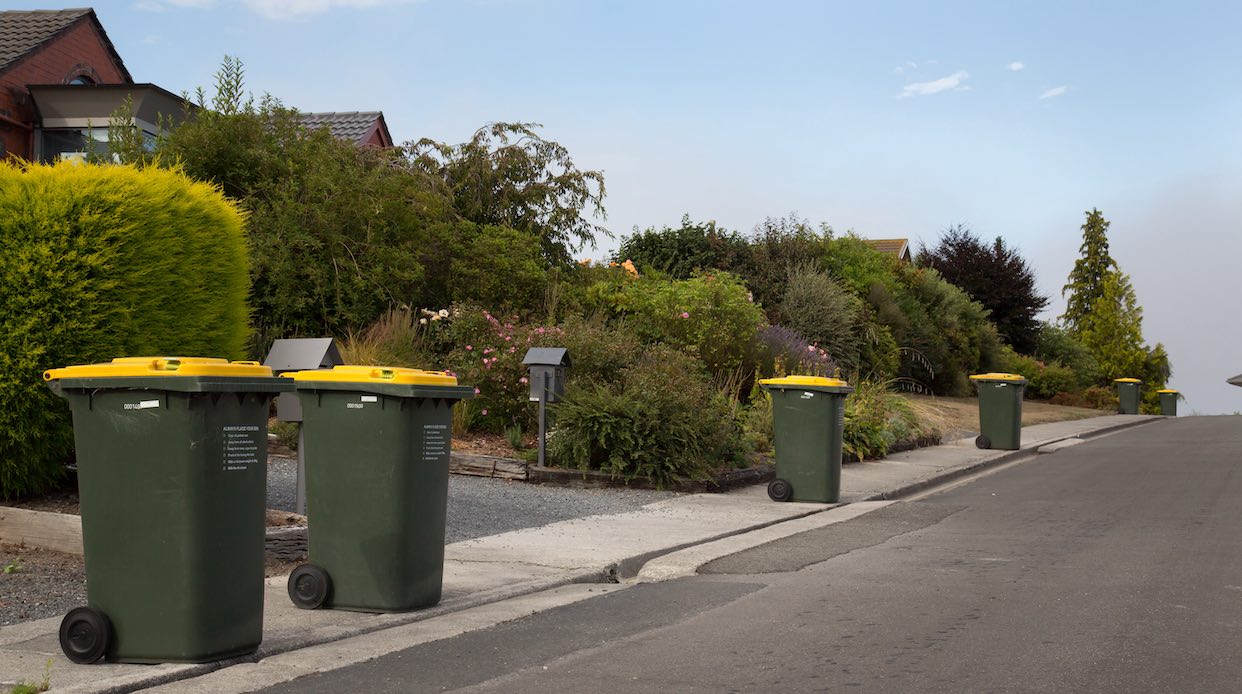
A neighbor bringing the trash cans back from the curb at midday offers a small but telling image. There is nothing dramatic about the moment. It is ordinary, almost peaceful. Yet it signals a different relationship to time. The day is no longer organized by where one must be, but by what one chooses to do with the hours available. For some, that freedom feels earned and expansive. For others, it carries an uneasy sense of dislocation.
Research supports this uneven experience. Studies from institutions such as the National Institute on Aging and the Harvard Health and Retirement Study consistently show that while many retirees report improved well-being, a significant minority experience increased loneliness, restlessness, or mild depressive symptoms during the first years after leaving full-time work. The difference is rarely explained by finances alone. Emotional and social preparation matter just as much as economic readiness — another clue to why many feel lost after retirement.
Who Am I Now?
The deeper challenge of retirement is not simply structural. It is personal.
Work has long functioned as a mirror. It reflects competence, responsibility, and achievement. Even frustration can reinforce identity — the difficult client, the demanding supervisor, the unfinished project all affirm participation in something larger than oneself.
When that mirror is removed, self-understanding can shift. That shift is often where people begin to recognize why many feel lost after retirement, even if they have plenty of things to do.
For decades, the answer to “What do you do?” may have been immediate. Then one day it is not. Some respond easily: “I’m retired.” Others add a former title, as if to anchor the statement: “I used to run a firm,” or “I spent thirty years in education.” Over time, however, many discover that the past tense offers only partial comfort.
The adjustment is rarely dramatic. It does not resemble a crisis. More often, it appears as a low-grade uncertainty — a sense that something once obvious is now less defined. The world continues to move at its familiar pace. Commuters fill the roads on weekday mornings. Offices hum. Deadlines accumulate elsewhere. From the outside, nothing has changed. From the inside, things are now different.
This is why feeling lost after retirement often surprises peopl–even when their finances are stable and their health is intact.
When the World Recedes
Modern retirement planning emphasizes financial literacy and portfolio management. Far less attention is given to the social infrastructure that work once provided.
Workplaces generate routine interaction. Casual conversations in hallways. Shared frustrations. Brief acknowledgments that affirm participation in a collective effort. Even for introverts, this steady contact offers a sense of embeddedness.
Retirement alters that pattern. Social networks can narrow. Former colleagues remain friendly but less present. Adult children may live far away. Communities themselves often feel less cohesive than they once did. The result is not necessarily isolation in the clinical sense. It is a diminishing of daily contact — a subtle distance from the wider pace of events.
Loneliness after retirement sneaks in. It appears without notice. A longer stretch between phone calls. A sense that fewer people depend on you. A realization that entire days can pass without structured interaction.
These experiences are not universal, but they are common enough that they deserve acknowledgment. Feeling lost after retirement is not a sign of weakness. It is often a predictable feature of a significant life transition. For readers who want to go deeper on this theme, see Navigating Loneliness for Seniors.
What Helps When You Feel Lost After Retirement
Understanding why many feel lost after retirement can also point to renewal and restoration.
Not a return to busyness for its own sake.
Not denial.
And not the assumption that retirement must resemble a permanent vacation.
What helps is the gradual construction of a new pattern anchored in three durable elements: connection, usefulness, and orientation.
Connection
Relationships matter more than ever in later life. Not the accumulation of acquaintances, but the presence of consistent, reciprocal bonds. Regular conversations. Shared commitments. The recognition of being known and of knowing others in return.
Those who navigate retirement most comfortably often maintain a rhythm of dependable interaction — weekly gatherings, volunteer groups, faith communities, informal networks built around shared interests. What matters is not scale but consistency.
(For readers who want more on loneliness and social connection in later life, the National Institute on Aging has a clear overview here.)
Usefulness
A sense of being valued remains central to adult well-being long after formal employment ends. Value does not need to take the form of a paycheck. It may be found in mentoring, community service, caregiving, creative work, or steady participation in local life. The form varies. What matters is the underlying experience: the awareness that one’s presence still matters.
The question still comes: “What do you do?” The answer is not always as quick as it once was. Sometimes it’s simply, “I’m retired.” Sometimes, after a moment, “I’m still figuring that out.” Not defensively. Just truthfully. A life does not end when work ends. It changes shape.
If you’d like a fuller reflection on meaning and direction in later life, see Aging with Meaning and Purpose.
Orientation
Retirement opens space for reflection that midlife often crowded out. Time once dominated by deadlines can now be directed toward reading, study, spiritual practice, physical health, or simply more attentive living. These practices do not eliminate uncertainty. They change how it is experienced.
Together, connection, usefulness, and orientation provide a framework less rigid than a career but often more personally grounded. And that is where the feeling of lostness after retirement can begin to ease.
A Slower, Truer Measure
There is a change that sometimes occurs in later life. Achievement recedes but attention deepens. Urgency softens yet the pace of life becomes more deliberate.
This transformation is neither automatic nor guaranteed. It often follows a period of adjustment marked by restlessness or doubt. But for many, retirement gradually becomes less a withdrawal from meaningful activity and more a reorientation toward what remains durable. One portrait of that steadiness appears in The Man Who Stayed.
The measure of a day changes. Success is less about accumulation and more about alignment — how time, relationships, and values fit together.
This does not mean retirement resolves the tensions of life. Anticipation, loss, and disappointment continue to accompany every stage of adulthood. But so do discovery, arrival, and fulfillment. Retirement does not erase earlier patterns. It reveals them more clearly.
Living With What Remains Uncertain
No system can shield a life completely. The hazards and vicissitudes of life continue, even in seasons once imagined as uncomplicated. Retirement may secure income. It cannot insulate anyone from change, aging, or the quiet reckoning that accompanies freedom. For many, later life offers something quieter and more durable than certainty: the chance to inhabit one’s days with greater presence, less urgency, and a clearer sense of what still matters.
Feeling lost after retirement is not uncommon. It is often a sign that the structures of midlife have fallen away and something new is still taking shape. For those willing to acknowledge the transition rather than resist it, retirement can become less about retreat and more about recalibration — and understanding why many feel lost after retirement makes that recalibration easier to face.
Practical safeguards matter. But the deeper work of later life has always required something else — patience, attention, and a willingness to shape meaning beyond the titles that once defined us.
(Harvard Health has a practical overview of retirement stress and adjustment here.)
Related spiritual themes: identity, life transitions, loneliness, Purpose, retirement, seasons, spiritual aging, uncertainty
Reader submissions may be lightly edited for clarity and length, while preserving the writer’s original voice.




monirose.hebert@gmail.com March 29, 2026
This is a strong piece.
I’d offer one different lens…
What if the feeling of being “lost” after retirement isn’t something to solve, but something to allow?
For me, the quiet didn’t mean I had no identity.
It meant I was finally free from the one I’d been living.
That shift is uncomfortable… but it’s also where things start to get interesting.
Monica Hebert / monirosesoul.com