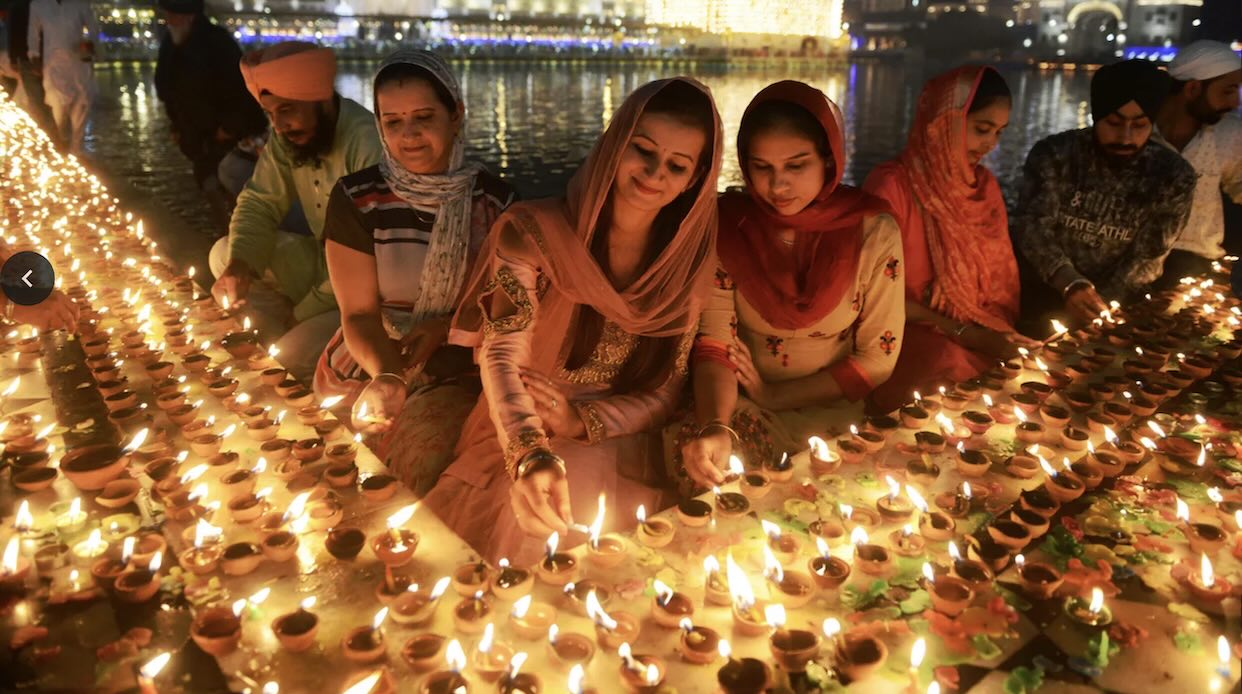


The Thank-You We Never Got Around To
On the difference between feeling grateful and expressing gratitude.
John Kralik was not feeling particularly thankful on New Year’s Day in 2008. His law practice was struggling, his personal life was in disarray, and he was living in a small apartment far removed from the life he had imagined for himself. Nevertheless, he made an unusual New Year’s resolution. He would write 365 thank-you notes.
He began with family members and friends, eventually extending his gratitude to employees, doctors, and people whose contributions to his life he might otherwise have overlooked.
One morning, after a particularly difficult night, Kralik stopped at his neighborhood Starbucks. The young man behind the counter greeted him with his customary smile.
“John, your usual venti?”
It occurred to Kralik, somewhat to his embarrassment, that although this young man knew his name, he didn’t know his. He lingered over his coffee until another customer greeted the barista by name.
Scott.
Kralik wrote him a thank-you note explaining how much those friendly morning greetings meant to him. When Scott received the note, he initially thought it was a letter of complaint. Imagine his surprise.
Kralik eventually became a judge and wrote a book about his experience, 365 Thank Yous. After the book was published, he heard from Scott, who had since moved on from Starbucks and was directing plays in Seattle.
He still had the note.
Ten years after Kralik began writing his thank-you notes, psychologists Amit Kumar and Nicholas Epley conducted an interesting experiment. They asked people to write letters of appreciation and predict how the recipients would react. The researchers then contacted the people who received the letters. As it turned out, the writers had underestimated how happy their letters would make the recipients and overestimated how awkward the experience would be.
We may be considerably better at making someone’s day than we think.
Tomorrow, millions of Americans will bow their heads in gratitude before Thanksgiving dinner. There will be expressions of thanks for the food, for family, for friendships, and for another year together.
But what about the friend who called every week when we were going through a difficult time? The neighbor who shoveled our driveway without being asked? The teacher whose encouragement we still remember sixty years later? Have we ever told them?
There is something particularly wonderful about being thanked for something we had long since forgotten doing.
Traditions Speak
✝️ Christianity — In his letter to the Philippians, Paul expresses his gratitude whenever he remembers them (Philippians 1:3). His words survive because he took the trouble to write them down. A letter of appreciation is a practice with a very long spiritual history.
✡️ Judaism — The practice of hakarat hatov, recognizing the good, encourages us to acknowledge the kindness we receive. The recognition of goodness in others is itself a moral responsibility.
☸️ Buddhism — The Dhammapada (verse 204) identifies contentment as a great wealth. Buddhist teachings also esteem gratitude toward those who have helped us. Remembering a kindness and acknowledging its giver can be part of an attentive life.
🕉️ Hinduism — The Taittiriya Upanishad instructs students to honor their mother, father, teacher, and guest. It recognizes the lasting obligations of gratitude toward those who contribute to our lives and development.
☯️ Taoism — Chapter 81 of the Tao Te Ching describes the wise person as enriched through giving to others. An expression of appreciation is one of the few gifts we can give without diminishing what we possess.
☪️ Islam — A teaching recorded in Sunan Abi Dawud (4811) connects gratitude toward God with gratitude toward other people. Thanking those who help us is an expression of faith.
🪶 Indigenous Wisdom — The Haudenosaunee Thanksgiving Address begins by acknowledging the people gathered together before extending gratitude to the natural world. Giving thanks is a communal act, spoken and shared.
🌿 Secular Wisdom — Contemporary psychology reminds us that feeling appreciated matters throughout our lives. The research of Kumar and Epley suggests that our hesitation to express gratitude may deprive others of a pleasure we could quite easily give them.
Question for Reflection
Who in your life would be surprised to learn that something they did, perhaps many years ago, still means a great deal to you?
Postscript
A Thanksgiving wish from Spiritual Seniors to all our readers, wherever and however you will spend the holiday.
And if someone comes to mind as you read this, remember that today is a perfectly good day to thank them.
Related spiritual themes: community, gratitude, thanksgiving, world religions