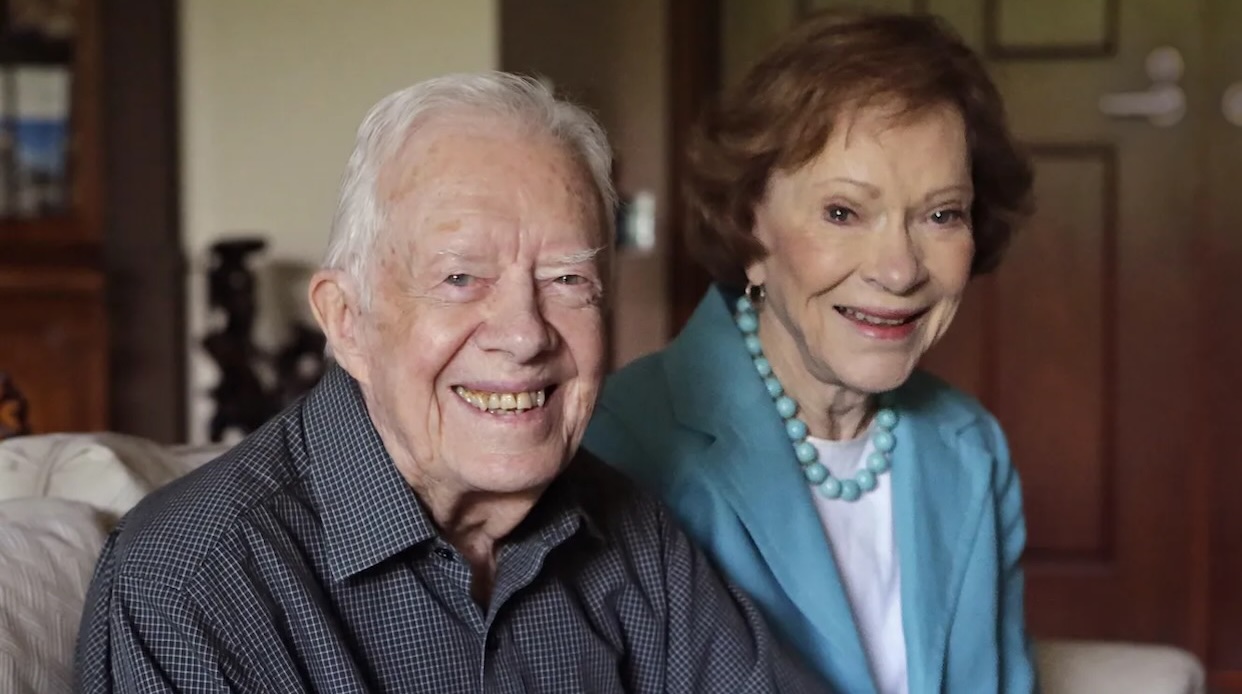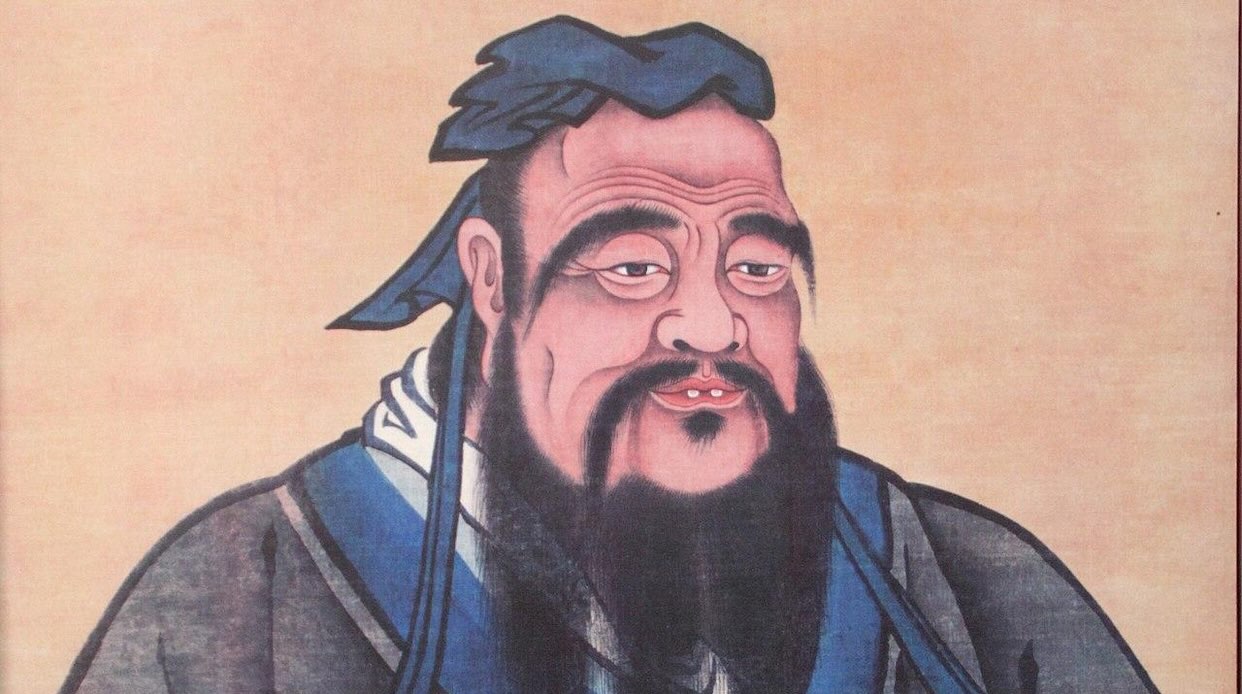

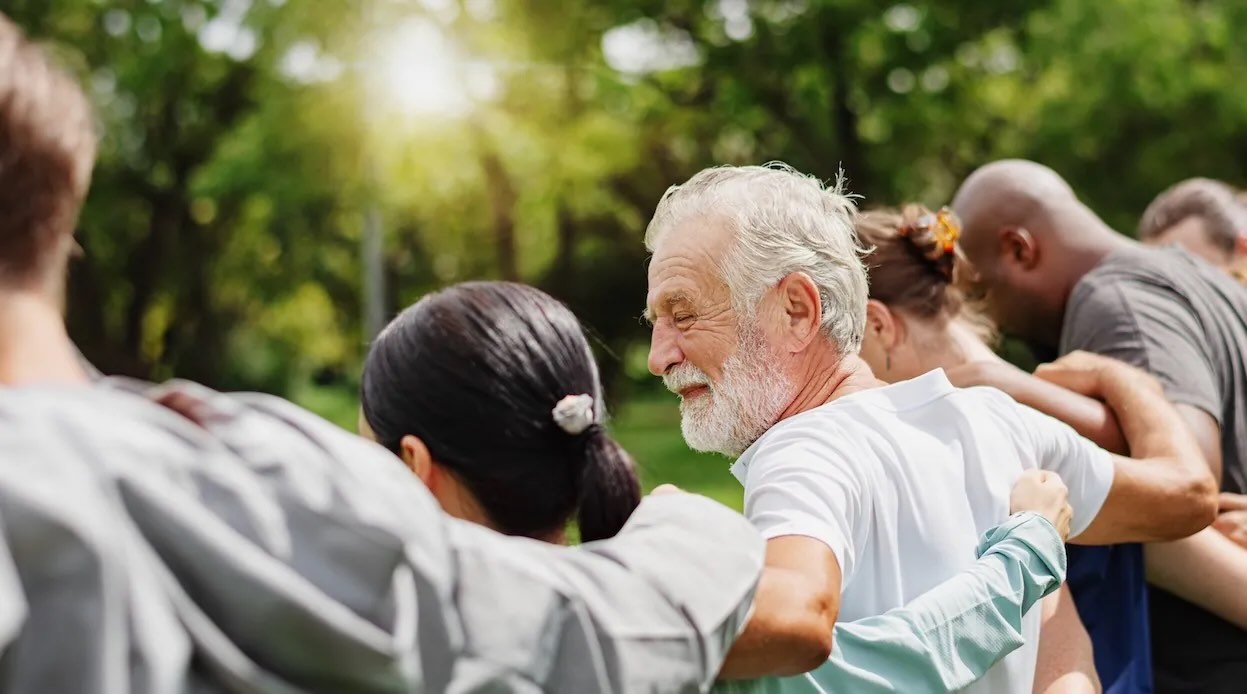
We are very good at noticing differences.
Age. Religion. Politics. Education. Where someone lives. How they speak. What they believe. We form impressions of one another quickly, often before a real conversation has even begun.
Some of those differences matter. They shape our histories, our values, and the way we understand the world.
But they are not the whole story.
Most of us want to be loved, respected, understood, safe, useful, forgiven, and remembered. We fear loss. We know loneliness. We hope our lives have mattered.
Spiritual and philosophical traditions have been saying versions of this for a very long time.
Traditions Speak
✝️ Christianity
Jesus repeatedly turns attention toward the person easiest to overlook: the stranger, the outsider, the sick, the poor. Love of neighbor begins with recognizing another person’s worth.
✡️ Judaism
The teaching that human beings are created b’tzelem Elohim—in the image of God—places sacred dignity within every person, not only those who resemble us.
☸️ Buddhism
Suffering is universal. Aging, illness, loss, attachment, and grief eventually touch every life. Compassion grows when another person’s suffering no longer seems entirely separate from our own.
☪️ Islam
The Qur’an speaks of humanity as coming from a common origin and describes differences among peoples as an opportunity to know one another rather than a reason for superiority.
🕉️ Hinduism
Many Hindu traditions teach that our usual identities do not tell the whole story of who we are. The divisions we see between people are not necessarily the deepest truth about them.
☯️ Taoism
Taoism sees opposites not simply as enemies but as parts of the same reality. Difference does not always mean division.
🏛️ Stoicism
The Stoics saw human beings as members of one community, sharing reason, vulnerability, and responsibilities toward one another.
🍂 Indigenous Wisdom
Many Indigenous traditions emphasize relationship. A person belongs within a web of family, community, land, and generations before and after them.
🧠 Modern Psychology
Psychology uses different language, but the needs are familiar: belonging, security, meaning, connection, and the sense that our lives matter.
None of this means we are all the same.
It means that our differences are only part of what we see.
The person who seems farthest from us may still know the same loneliness, carry the same fear, or hope for the same kindness we would want for ourselves.
Question for Reflection
Think of someone who seems very different from you. What might that person need that you need too?
Related spiritual themes: acceptance, belonging, community, spiritual practice, world religions