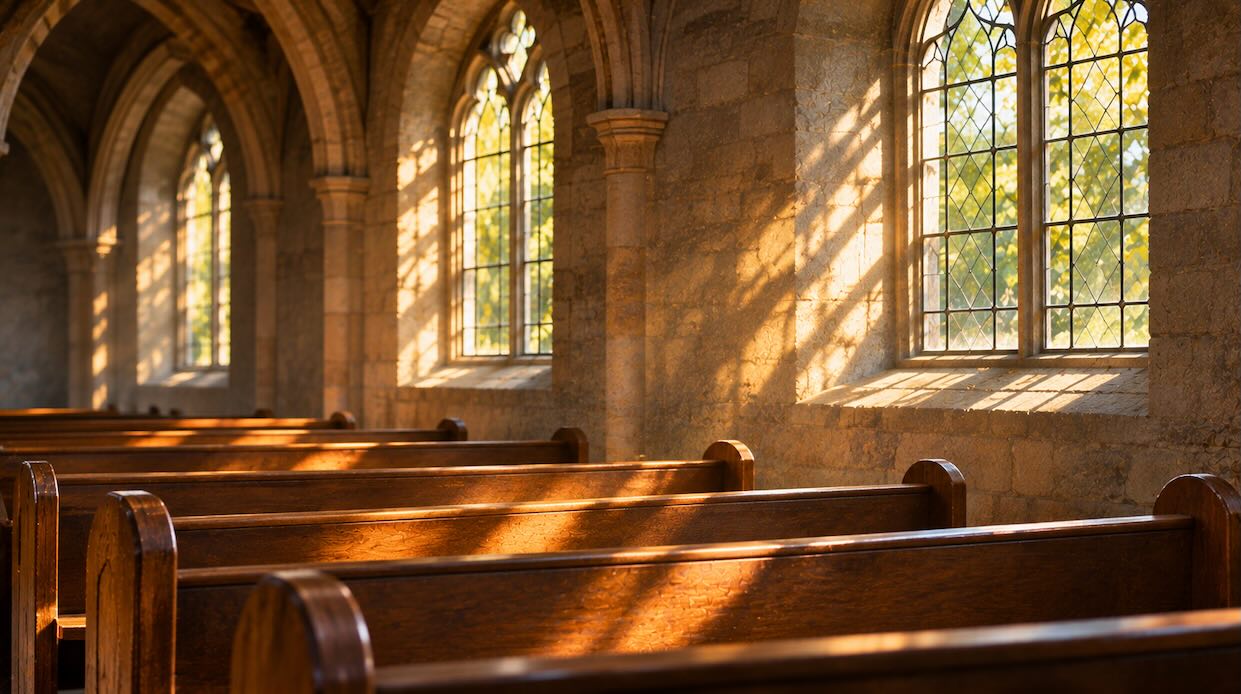
“You cannot be a man of faith unless you know how to doubt.” Thomas Merton wrote those words from within the walls of a Trappist monastery. He had devoted his life to God, yet he did not regard doubt as a failure of faith. Sue Monk Kidd


“You cannot be a man of faith unless you know how to doubt.” Thomas Merton wrote those words from within the walls of a Trappist monastery. He had devoted his life to God, yet he did not regard doubt as a failure of faith. Sue Monk Kidd
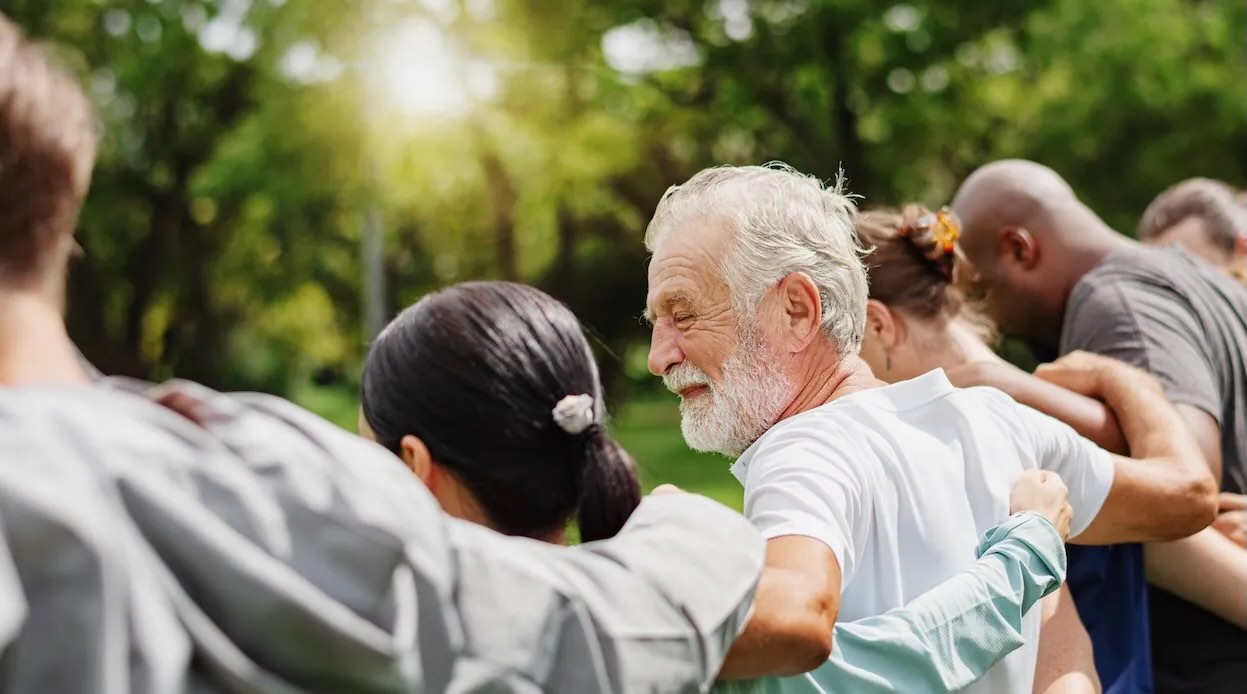
We are very good at noticing differences. Age. Religion. Politics. Education. Where someone lives. How they speak. What they believe. We form impressions of one another quickly, often before a real conversation has even begun. Some of those differences matter. They shape our histories, our values, and

Spirituality and Loneliness in Later Life Recent studies have revealed a troubling trend: nearly half of adults today have fewer than three close friends in whom they can confide. That number has doubled since 1990. This is not a new concern for us. In earlier reflections on

Why the search for the sacred may be more deeply human than we think “Spirituality is an inborn human capacity.” — Lisa Miller For years now, headlines have told a familiar story: Americans are leaving organized religion. Church membership has declined. Congregations have aged. Yet the deeper spiritual

There comes a point in life when growth no longer means adding more—more knowledge, more roles, more certainty. Instead, growth begins to look like gathering. Experiences once held apart—joy and grief, faith and doubt, strength and vulnerability—start asking to be held together. Not resolved. Integrated. Across wisdom traditions,

One of the quiet shifts of attention in later life is not what we can no longer do, but what we no longer tolerate. Attention changes. What once felt urgent begins to feel optional. What once passed unnoticed starts to ask for care. This is not

The Fourth Agreement sounds, at first glance, like the most demanding of the four. Always do your best. For some, those words feel like encouragement. For others—especially those who have carried responsibility for a long time—they feel more like a not so quiet accusation. There are days when

Our reflection on the second of The Four Agreements asked a difficult but freeing question: what happens when we stop treating other people’s reactions as verdicts about who we are? This midweek pause listens for wisdom from several traditions that arrive at the same quiet conclusion.

Last Sunday’s reflection on The Four Agreements began with the first agreement: Be impeccable with your word. It’s a familiar phrase. But once we sit with it, the emphasis shifts. The question is no longer simply what we say, but how carefully we speak—especially when words

The Signal The holidays have a way of amplifying everything—joy, memory, absence, grief. For many, this season carries more weight than sparkle. Steadiness, then, is not about feeling calm all the time. It is about how we carry ourselves when emotions run high and the world