
The Last Repair Shop
There are some things we fix because they are broken. There are others we restore because they matter.
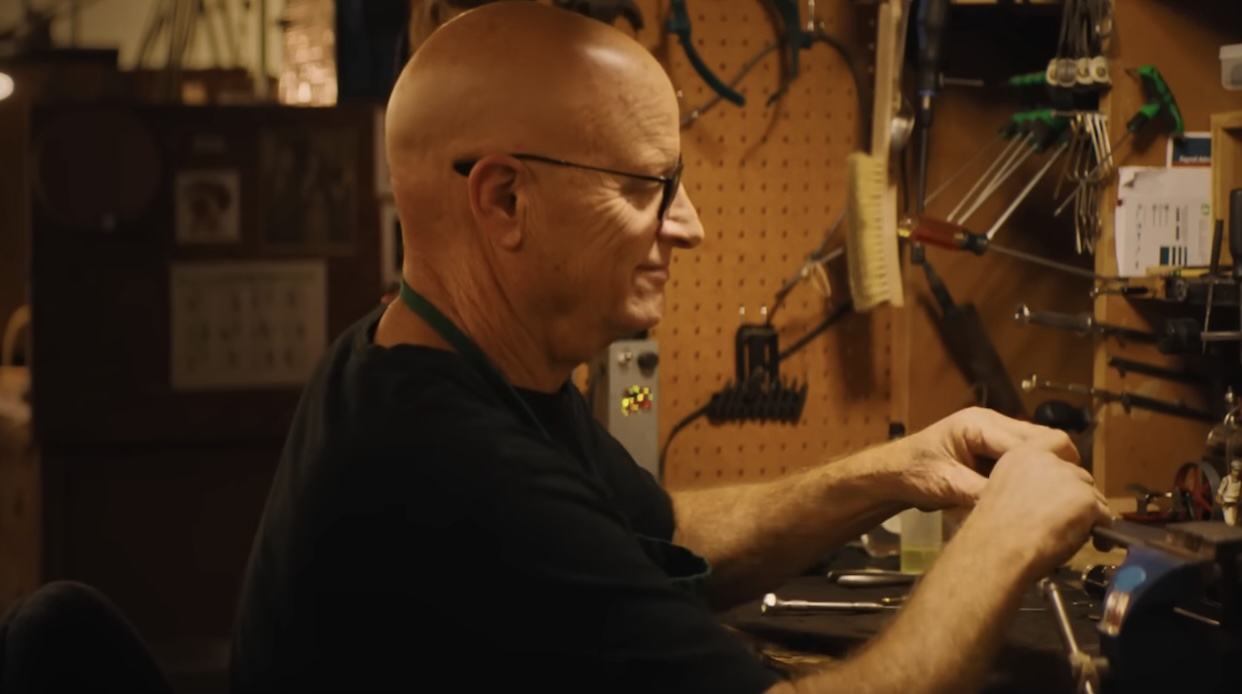
That difference sits at the heart of The Last Repair Shop short film, a brief documentary set inside a Los Angeles workshop where a small team of skilled technicians repair musical instruments for public school students.
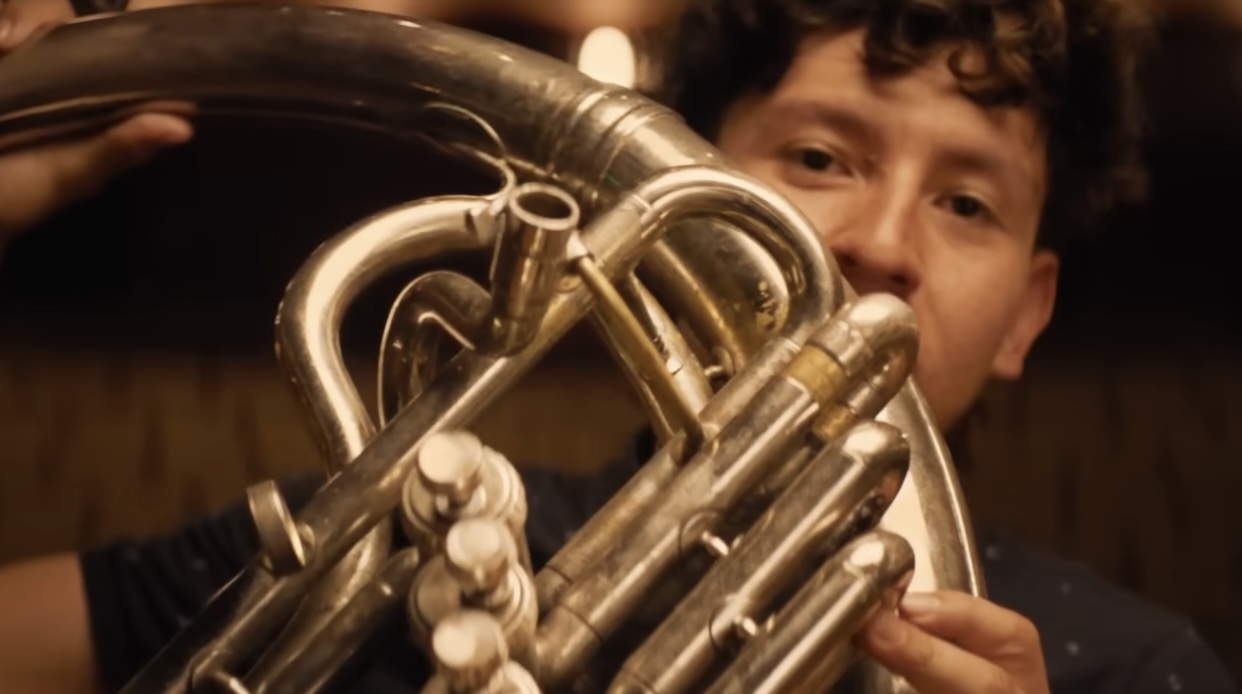
In a city of millions, this is the last place of its kind. Violins, clarinets, trumpets—each one arrives worn, damaged, sometimes nearly beyond use. And yet, one by one, they are taken in, restored, adjusted, and brought back to life.
There is no rush to it. No sense of quotas or scale. The work is thoughtful, painstaking, and personal.
You can take a few minutes to watch the film before reading further. It runs just under 40 minutes, and its meaning deepens as it unfolds.
The Oscar-winning documentary short The Last Repair Shop, directed by Ben Proudfoot and Kris Bowers.
What The Last Repair Shop Reveals
It would be easy to describe this as a story about instruments, but it is really a story about care, attention, and the decision to preserve something that might otherwise be discarded.
Each repair carries a history. Scratches, worn edges, parts that no longer fit. The work does not erase those marks. It works with them, around them, and sometimes because of them.
That is what makes the film work the way it does. Nothing is made completely new. These are not replacements. Musical instruments that have already lived a life are given the chance to be used again—not as they once were, but as they now are.
There is humility in that kind of work. The people in the shop are not trying to improve the instruments beyond recognition. They are not redesigning them or modernizing them. They are listening, adjusting, and returning them to a condition where they can still serve their purpose.
That may be why the film resonates so deeply, especially later in life, echoing what many readers reflected on in The Possibility of Spring.
At some point, most of us come to understand that life is less about starting over and more about continuing on.
Not everything is restored, and not everything can be. But that does not mean nothing remains.
There are parts of a life that, like those instruments, carry wear. Time leaves its marks. Certain abilities change. Certain paths close. Certain rhythms no longer hold in the same way they once did. And yet, something continues.
The question becomes less, How do I get back to what I was? and more, What can still be carried forward?—a theme that also appears in our recent reflection on renewal in later life.
That is where this film becomes more than a story about a workshop. It offers a different way of thinking about value.
In a culture that often replaces what is worn, speeds past what takes time, and prizes what is new, the work shown here moves in the opposite direction. It stays. It pays attention. It works with what is already there.
There is something hopeful in that. Not because everything can be repaired, and not because everything will be made whole again, but because care itself continues.
Someone still chooses to sit at the bench. Someone still takes the time. Someone still believes the work matters. And in that, something is preserved—not just the instrument, but the possibility of what it can still become.
For the student who receives it, the instrument is not a relic. It is something alive again in their hands. For the person doing the work, it is something else entirely: a way of remaining connected to purpose, to skill, and to the simple act of doing something well, even if no one sees it.
That, too, carries meaning, much like the reflections on where we belong now.
There is a quiet dignity in continuing to care for what still has life in it.
And perhaps that is what the film leaves us with—not a lesson, not a conclusion, but a recognition: that even in a world that moves quickly past what is worn, there are still places—and people—who choose otherwise.
They stay with the work. They believe that what has been used, marked, and lived with is not something to discard, but something to carry forward.
Not everything can be restored. But not everything is lost.
Help support this work
If these reflections have been meaningful to you, your voluntary support helps sustain and grow this space.
Reader submissions may be lightly edited for clarity and length, while preserving the writer’s original voice.