
Henry David Thoreau went to Walden asking how much a person really needs. In later life, the question “What is enough?” can reach far beyond possessions.
On this day, August 9, 1854, Henry David Thoreau published Walden: Life in the Woods, a book that is still inviting readers into the same conversation 172 years later. Thousands of books have come and gone since then. Some were bestsellers in their day and are
Before he died, Indianapolis businessman Terry Kahn gave his attorney one unusual instruction: Do not spend money on an obituary. Kahn did not believe anyone would be interested in reading about his life. He was wrong. When Kahn died in 2021, he left behind an estate worth
Why Empty Time Matters More Than We Realize “There is more to life than increasing its speed.” — Mahatma Gandhi There was a time when waiting was simply waiting. We sat in doctor's offices and looked around the room. We stood in grocery store lines and noticed other people.
We move through much of life by filling in what we do not know. A pause in conversation. A tone we didn’t expect. A silence that feels pointed. Without much effort, the mind supplies meaning—often before we realize it has done so. Sunday’s reflection on the third of The Four
Our reflection on the second of The Four Agreements asked a difficult but freeing question: what happens when we stop treating other people’s reactions as verdicts about who we are? This midweek pause listens for wisdom from several traditions that arrive at the same quiet conclusion.
Last Sunday’s reflection on The Four Agreements began with the first agreement: Be impeccable with your word. It’s a familiar phrase. But once we sit with it, the emphasis shifts. The question is no longer simply what we say, but how carefully we speak—especially when words
Listening for What’s True Discernment requires courage. It asks us to choose the path that aligns with our values, even when easier paths sit close at hand. Discernment isn’t about having perfect judgment — it’s about learning to recognize the subtle shifts inside us when something is
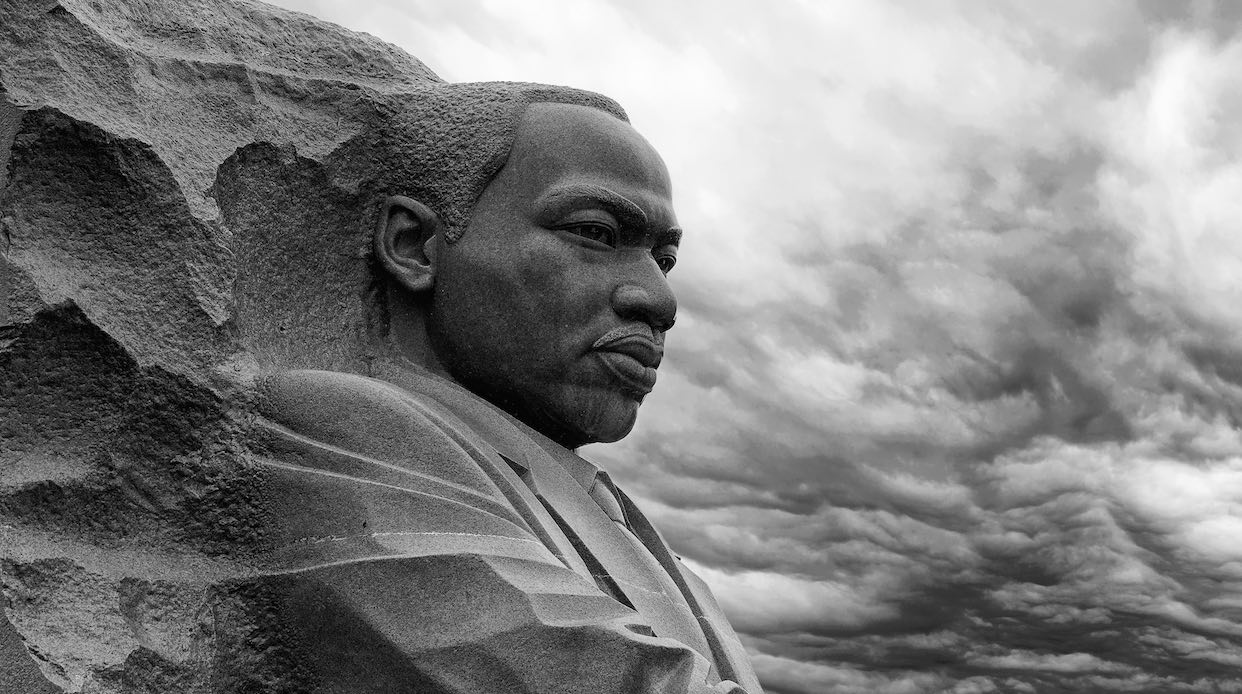
“Nothing is more dangerous than sincere ignorance and conscientious stupidity.” — Martin Luther King Jr. Every era has its blind spots. Ours, however, shows an uncanny ability for avoiding the light. The truth of King's warning shows up everywhere — not only in
Justice in later life may look different than it did in our younger years. It’s less about protest marches and more about moral clarity, steady compassion, and the courage to speak truth—even when it's quiet, even when it’s costly. Justice is not just