

The quiet ritual beneath the holiday
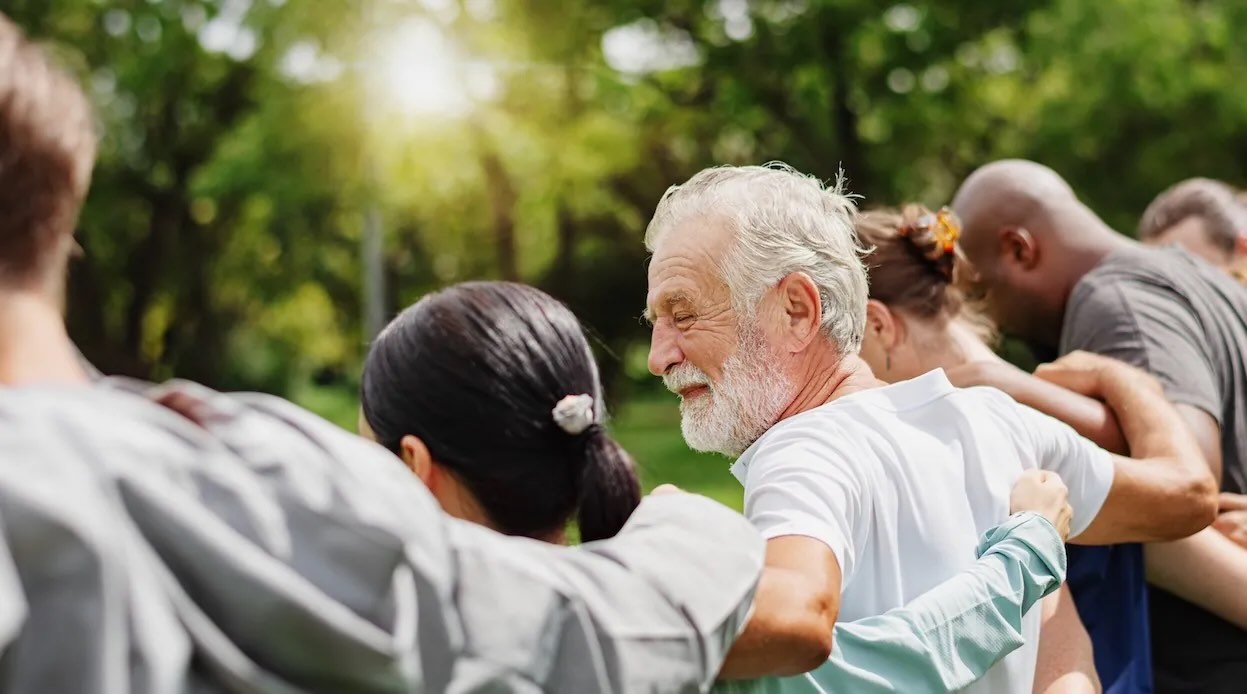
Thanksgiving arrives each year with its own mix of emotions. The calendar says “holiday,” but what we really gather around is ritual—familiar dishes, repeated stories, the same seat at the table. These small returns tether us to one another. They remind us how belonging is made, not granted. As we grow older, the day changes shape: chairs empty, new faces appear, and the meaning grows more complicated, more tender. Gratitude doesn’t erase the ache of what’s missing, but it teaches us to hold joy and sorrow in the same hand. In the end, the heart of Thanksgiving isn’t the feast. It’s the remembering—who we’ve loved, who still gathers, and what endures.
Traditions Speak
✝️ Christianity — Scripture ties gratitude to communion: “He took bread, gave thanks, and broke it” (Luke 22:19). A simple table prayer before the meal becomes a way of reenacting that moment—sharing bread as Christ did, so no one is left unseen at the table.
✡️ Judaism — Jewish tradition honors gratitude through blessing: “Give thanks to the Lord, for He is good” (Psalm 136:1). Saying the Motzi over bread turns even a modest meal into sacred space, weaving memory, blessing, and family together with each bite.
☸️ Buddhism — The Buddha’s teaching invites us to receive each moment as it is. Taking one mindful breath before the meal—noticing color, fragrance, and effort—becomes a small practice of awakening, honoring the interdependence behind every dish.
🌺 Hinduism — The Bhagavad Gita teaches that food offered in gratitude becomes prasada, a gift returned to us in grace. Setting aside a symbolic portion, or offering a quiet word of thanks to the divine, transforms the meal into a moment of devotion.
☯️ Taoism — Lao Tzu reminds us that the great way is simple and close. Marking the turning season—lighting a candle, stepping outside to feel the air—becomes a ritual of alignment with the Tao’s quiet rhythms, honoring the balance between abundance and decline.
☪️ Islam — The Qur’an teaches, “If you are grateful, I will give you more” (14:7). Saying alhamdulillah before and after the meal roots Thanksgiving in remembrance, recognizing every provision as a trust meant to be shared with compassion.
🪶 Indigenous Wisdom — Many traditions teach that all we have is on loan from the earth. Offering a land acknowledgment—spoken aloud or held in silence—honors ancestors, caretakers, and the more-than-human world that sustains every gathering.
💬 Secular Wisdom — Some modern writers speak of our “one wild and precious life” as something to be lived with attention. Naming one sincere gratitude around the table—not something grand, but something true—becomes a ritual of presence and honesty.
Question for Reflection
What part of your Thanksgiving—past or present—quietly holds the most meaning for you, even if no one else notices?
Postscript
If this reflection resonates, we invite you to share your thoughts in the comments at Spiritual Seniors. Your voice helps others feel less alone around the table.
Related spiritual themes: acceptance, community, gratitude, prayer, thanksgiving